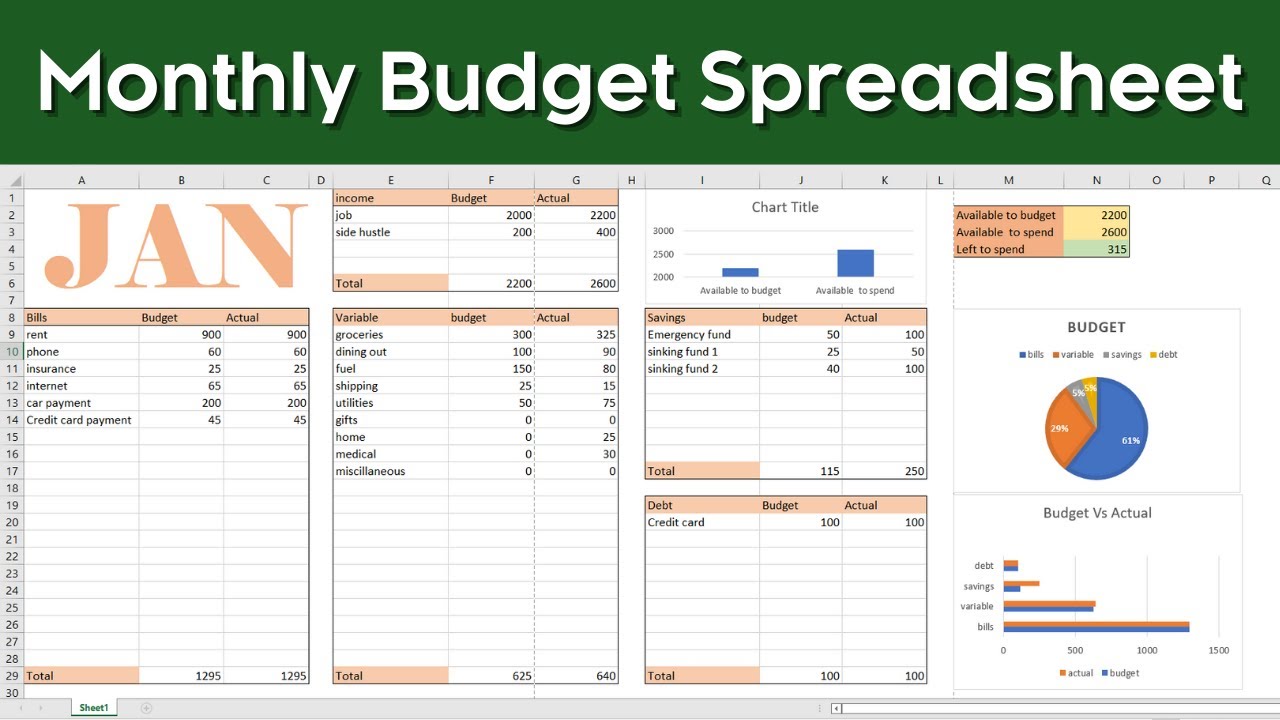
Planning for the future of your business is crucial, and a robust annual budget is the cornerstone of that planning. It's more than just numbers; it's a roadmap for achieving your goals, managing resources effectively, and ensuring long-term financial stability. That's why a well-structured annual business budget template is an invaluable tool for any business owner or financial manager. This article will guide you through creating a comprehensive and effective budget using an Excel template, highlighting key elements and best practices. Annual Business Budget Template Excel is designed to simplify the process, providing a clear and actionable framework for financial forecasting. Let's dive in.
Understanding the Importance of a Business Budget
Creating a budget isn't simply about crunching numbers; it's about understanding where your money is going and making informed decisions. A solid budget allows you to identify areas where you can reduce costs, increase revenue, and ultimately, improve your bottom line. Without a budget, you're essentially flying blind, hoping for the best. A well-defined budget provides a clear picture of your financial position, enabling proactive management and strategic planning. It's a critical tool for securing funding, attracting investors, and maintaining a healthy financial outlook. Furthermore, a budget facilitates better resource allocation, ensuring that funds are directed towards the most impactful initiatives. Ignoring the need for a budget can lead to financial instability and ultimately, business failure.

The benefits of implementing a comprehensive annual business budget extend far beyond simple financial tracking. It fosters accountability within the organization, promotes collaboration among departments, and provides a valuable tool for performance evaluation. Regularly reviewing and adjusting your budget based on actual performance allows you to adapt to changing market conditions and optimize your financial strategy. A proactive approach to budgeting minimizes risks and maximizes opportunities for growth. Ultimately, a well-crafted budget empowers you to take control of your business's financial destiny.
Key Components of an Annual Business Budget
A successful annual business budget isn't a static document; it's a living, breathing tool that evolves with your business. Here's a breakdown of the essential components:
1. Revenue Projections
This is the foundation of your budget. It's about forecasting your expected income streams. Start with a realistic assessment of current sales, market trends, and anticipated growth. Consider various scenarios – optimistic, pessimistic, and most likely – to account for potential fluctuations. Different revenue streams (e.g., product sales, service fees, subscriptions) should be individually projected. Be specific – don't just say "sales will increase"; break it down by product line or service category. Historical data, market research, and expert opinions are all valuable sources for this section.
2. Expense Budgeting
This section details all your anticipated expenses. Categorize expenses into fixed costs (rent, salaries, insurance) and variable costs (materials, marketing, utilities). Fixed costs are relatively consistent regardless of sales volume. Variable costs fluctuate with your sales performance. Carefully analyze each expense category to identify potential areas for cost reduction. Don't underestimate the impact of small, recurring expenses. Consider using a spreadsheet to track and manage these costs effectively.
3. Profit & Loss (P&L) Statement
This is the ultimate output of your budget – your projected profit or loss. It's calculated by subtracting your total expenses from your total revenue. A positive profit margin indicates that your business is generating more revenue than it's spending. A negative profit margin signals that you're losing money. This is a critical metric for assessing the overall financial health of your business.
4. Cash Flow Budget
This is arguably the most important component for many businesses. It tracks the movement of cash in and out of your business over a specific period (typically monthly or quarterly). It helps you anticipate potential cash shortages and ensure you have enough funds to meet your obligations. A cash flow budget allows you to proactively manage your working capital and avoid disruptions.
Excel Template Structure – A Starting Point
While a fully customized Excel template is ideal, here's a basic structure you can adapt:
- Sheet 1: Header – Includes column headers for: Date, Budget Period, Revenue, Expenses, Profit/Loss, Notes.
- Sheet 2: Revenue – Detailed breakdown of revenue streams, with columns for each revenue source.
- Sheet 3: Expenses – Categorized expenses (fixed, variable, etc.) with columns for each category.
- Sheet 4: Profit & Loss – Calculated profit/loss based on revenue and expenses.
- Sheet 5: Cash Flow – Tracks cash inflows and outflows.
- Sheet 6: Notes – A space for additional notes, assumptions, and explanations.
You can easily create these sheets in Excel and then link them together to build a comprehensive budget. Numerous free Excel templates are available online that you can adapt to your specific needs.
Tips for Creating an Effective Annual Business Budget
- Start Early: Don't wait until the last minute to create your budget. Begin the process well in advance of the budget period.
- Be Realistic: Avoid overly optimistic projections. Base your estimates on historical data, market research, and expert opinions.
- Review and Adjust: Your budget isn't set in stone. Regularly review and adjust your budget as needed based on actual performance.
- Use Formulas: Leverage Excel's formulas to automate calculations and create insightful reports.
- Consider Multiple Scenarios: Develop different scenarios (optimistic, pessimistic, most likely) to account for uncertainty.
- Track Actual Performance: Compare your actual results to your budget to identify areas where you're over or underperforming.
Conclusion
Creating and maintaining a robust annual business budget is a critical investment in the future success of your business. By systematically planning your revenue, expenses, and cash flow, you can proactively manage your finances, mitigate risks, and achieve your long-term goals. Remember, a well-structured budget is not just a tool; it's a strategic asset. Investing the time and effort to develop a comprehensive budget will undoubtedly pay dividends in the form of improved financial stability and sustainable growth. Annual Business Budget Template Excel provides the framework to make this a reality. Ultimately, a disciplined approach to budgeting empowers businesses to thrive in today's competitive landscape.
0 Response to "Annual Business Budget Template Excel"
Posting Komentar