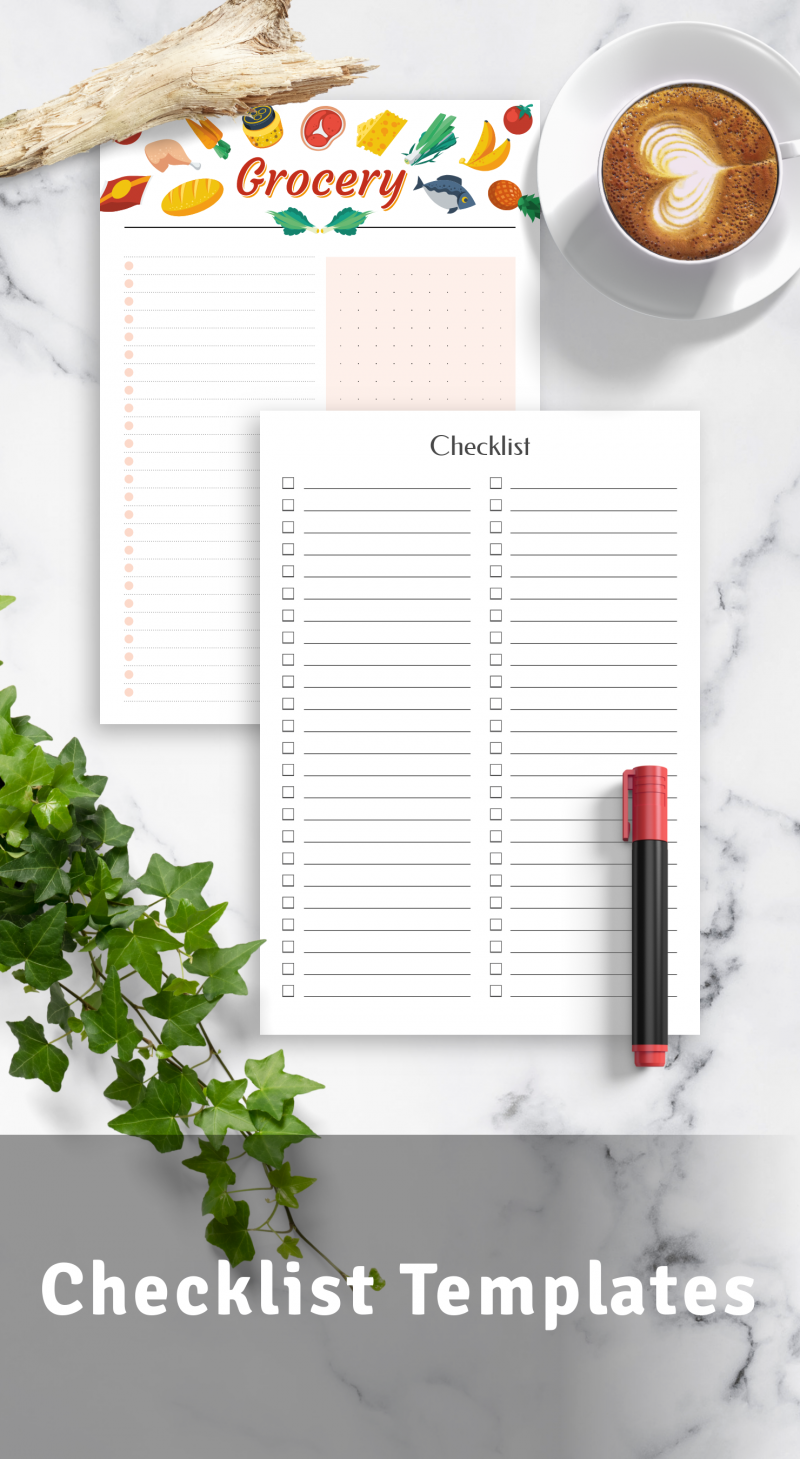
Are you drowning in tasks and struggling to stay organized? Do you find yourself constantly forgetting important steps or missing deadlines? A well-crafted checklist can be a game-changer, providing a clear roadmap to success and significantly reducing stress. This article will guide you through the creation of a powerful blank checklist template word, designed to be adaptable to a wide range of needs and situations. Blank Checklist Template Word is more than just a simple list; it's a tool for proactive planning, consistent execution, and ultimately, achieving your goals. It's a fundamental element of effective time management and project management, allowing you to focus on what truly matters. Let's dive in and explore how to build one that works for you.
The importance of checklists extends far beyond simply marking off items on a list. It's about fostering a mindset of intentionality and control. A well-designed checklist encourages you to think through each step, reducing the likelihood of errors and ensuring that you're consistently moving forward. It's a visual reminder of your priorities and a mechanism for accountability. Furthermore, using a checklist can dramatically improve task completion rates, boosting productivity and reducing feelings of overwhelm. It's a simple yet profoundly effective strategy for anyone looking to take control of their workload and achieve greater success. The core principle is to break down large, complex tasks into smaller, manageable steps, and then systematically track your progress.
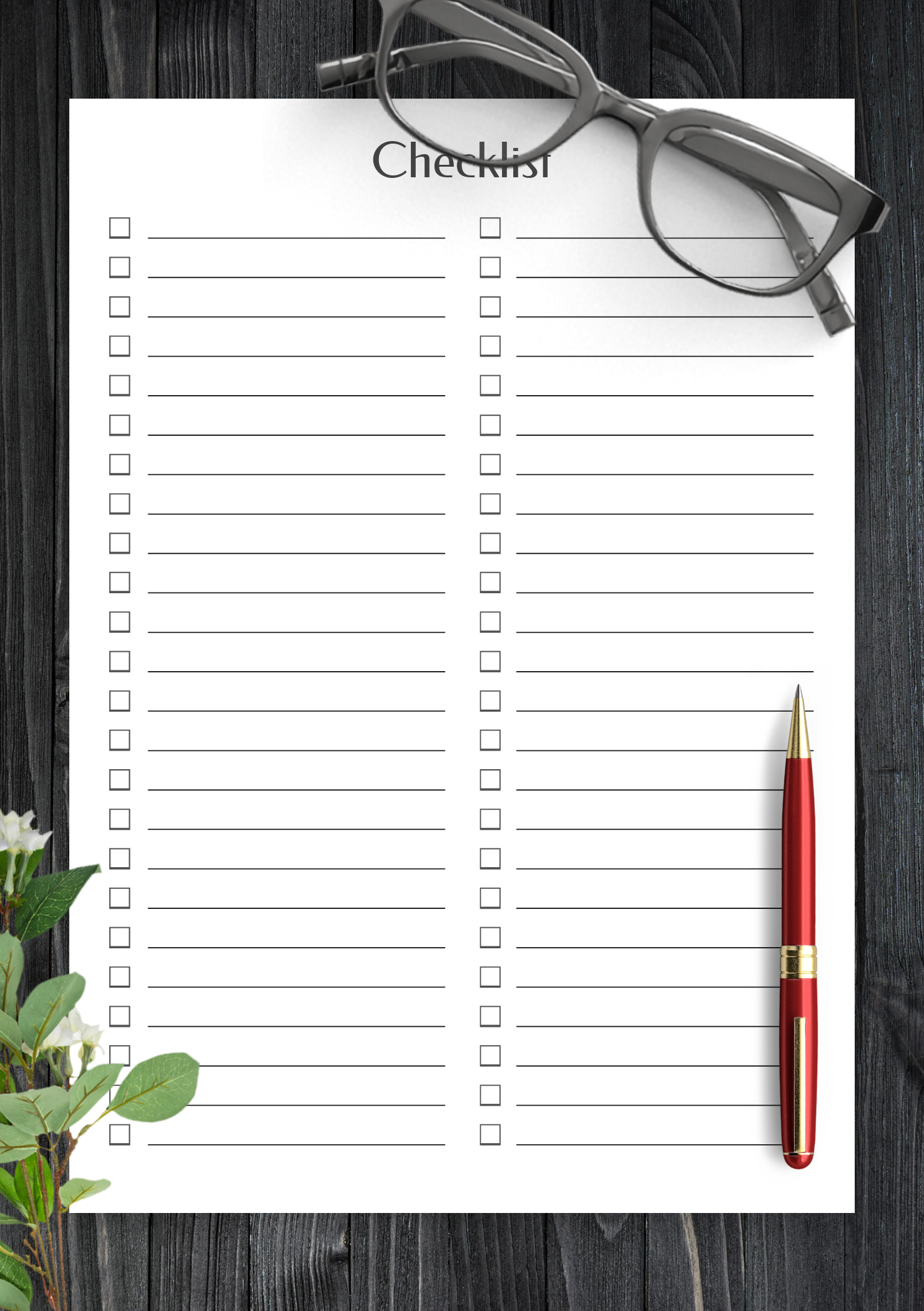
The creation of a truly effective blank checklist template word begins with understanding what you need to check off. It's not enough to simply list items; you need to define the purpose of each checklist item. Consider the context in which the checklist will be used. Is it for personal productivity, for a team project, or for a specific business process? The level of detail required will vary accordingly. A simple checklist for grocery shopping will differ significantly from one designed for a complex software development project. Start by identifying the key areas you want to monitor and then brainstorm the specific tasks and steps involved. Don't overcomplicate it initially; a focused checklist is more effective than a sprawling, unfocused one.

Let's look at some key sections that will form the foundation of a robust blank checklist template word. First, we'll explore the importance of defining clear objectives. What are you trying to achieve with this checklist? Are you aiming to improve efficiency, reduce errors, or simply stay on track? Clearly articulating your goals will help you prioritize tasks and ensure that your checklist remains relevant and useful. Next, we'll discuss the need for detailed task descriptions. Vague tasks are difficult to track and often lead to missed deadlines. Instead of simply writing "Call John," break it down into "Call John to discuss project timeline," "Send John a meeting request," and "Confirm meeting time." This level of detail allows for better tracking and accountability. Finally, we'll examine the crucial role of prioritization. Not all tasks are created equal. Using a method like the Eisenhower Matrix (urgent/important) can help you determine which tasks deserve your immediate attention.
Section 1: Defining Objectives and Scope
Before you even begin to create your checklist, it's vital to clearly define its purpose and scope. Ask yourself: Why are you creating this checklist? What problem are you trying to solve? What specific outcomes do you hope to achieve? A well-defined scope will prevent the checklist from becoming overly complex and ensure that it remains focused on its intended purpose. Consider the following questions:
- What are the primary goals of this checklist?
- What specific tasks will be included?
- What level of detail is required for each task?
- Who will be using this checklist?
- What tools or resources will be needed to complete the checklist?
Documenting these questions will help you stay organized and ensure that the checklist is aligned with your overall objectives. It's also helpful to think about the timeframe for using the checklist. Will it be used daily, weekly, or monthly? This will influence the level of detail required and the frequency of review. A checklist for a short-term project will likely be shorter and more focused than one for a long-term initiative.

Section 2: Detailed Task Descriptions – The Heart of the Checklist
This section is where you flesh out the individual tasks within your checklist. Each task should be specific, measurable, achievable, relevant, and time-bound (SMART). Instead of writing "Prepare presentation," write "Research competitor analysis for project X and create a presentation outline by Friday." The more detail you provide, the easier it will be to track progress and identify potential roadblocks. Consider using a consistent format for your task descriptions, such as:
- Task: [Clearly state the task]
- Description: [Provide a detailed explanation of what needs to be done]
- Priority: [High, Medium, Low – based on urgency and importance]
- Due Date: [Specific date and time]
- Resources Needed: [List any tools, materials, or information required]
Don't be afraid to add sub-tasks to break down larger tasks into smaller, more manageable steps. This will make the checklist more comprehensive and easier to follow. For example, if you're creating a checklist for a marketing campaign, you might have sub-tasks like "Develop social media content calendar," "Design email templates," and "Schedule social media posts."

Section 3: Prioritization Techniques – Streamlining Your Workflow
Effective prioritization is crucial for maximizing the impact of your checklist. There are several methods you can use, such as the Eisenhower Matrix (urgent/important), Pareto Principle (80/20 rule), or simply assigning a numerical score to each task based on its importance. The Eisenhower Matrix, in particular, is a powerful tool for categorizing tasks based on urgency and importance. Create a 2x2 matrix with "Urgent" and "Not Urgent" on one axis and "Important" and "Not Important" on the other. Place each task into the appropriate quadrant. Focus your energy on the tasks in the "Important" quadrant first. Don't get bogged down in the "Urgent" quadrant unless they are truly critical.
Section 4: Template Options and Customization
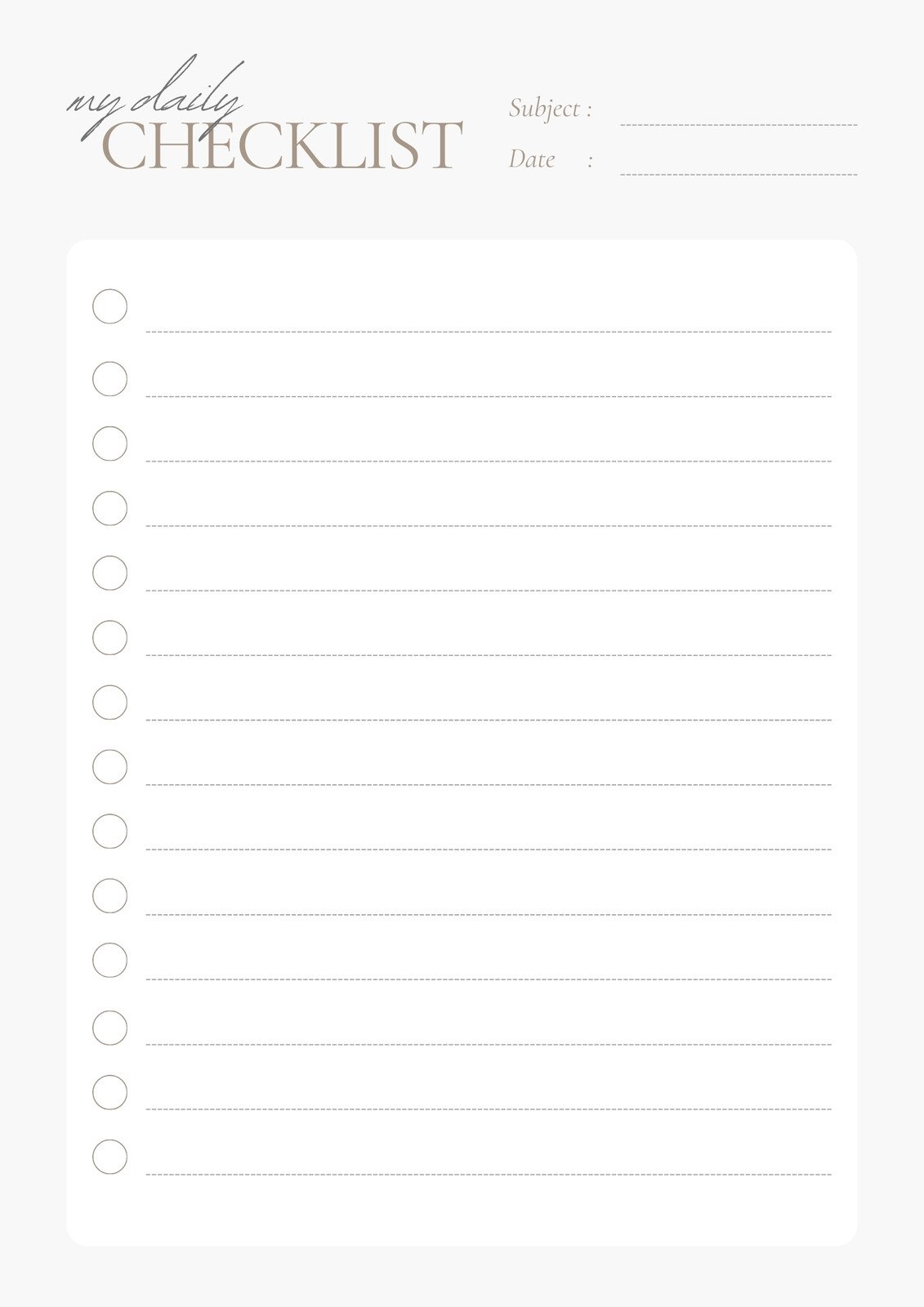
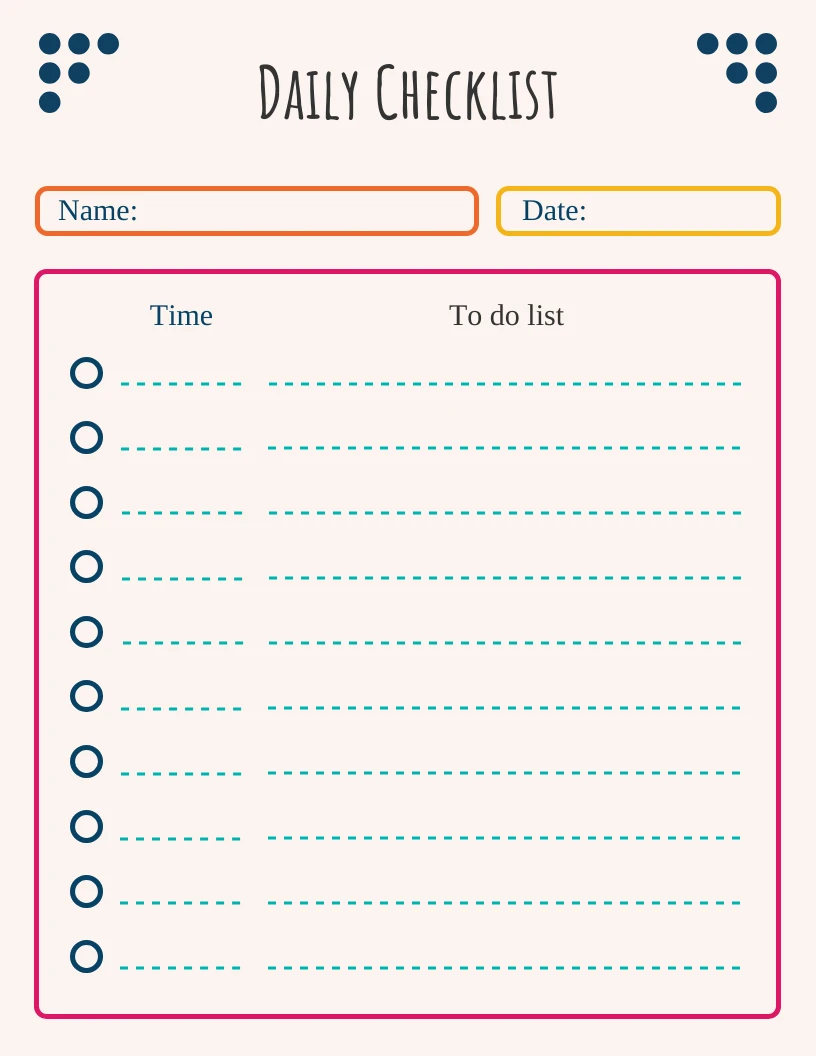
Once you've defined your objectives and tasks, you can start building your blank checklist template word. There are several ways to approach this:
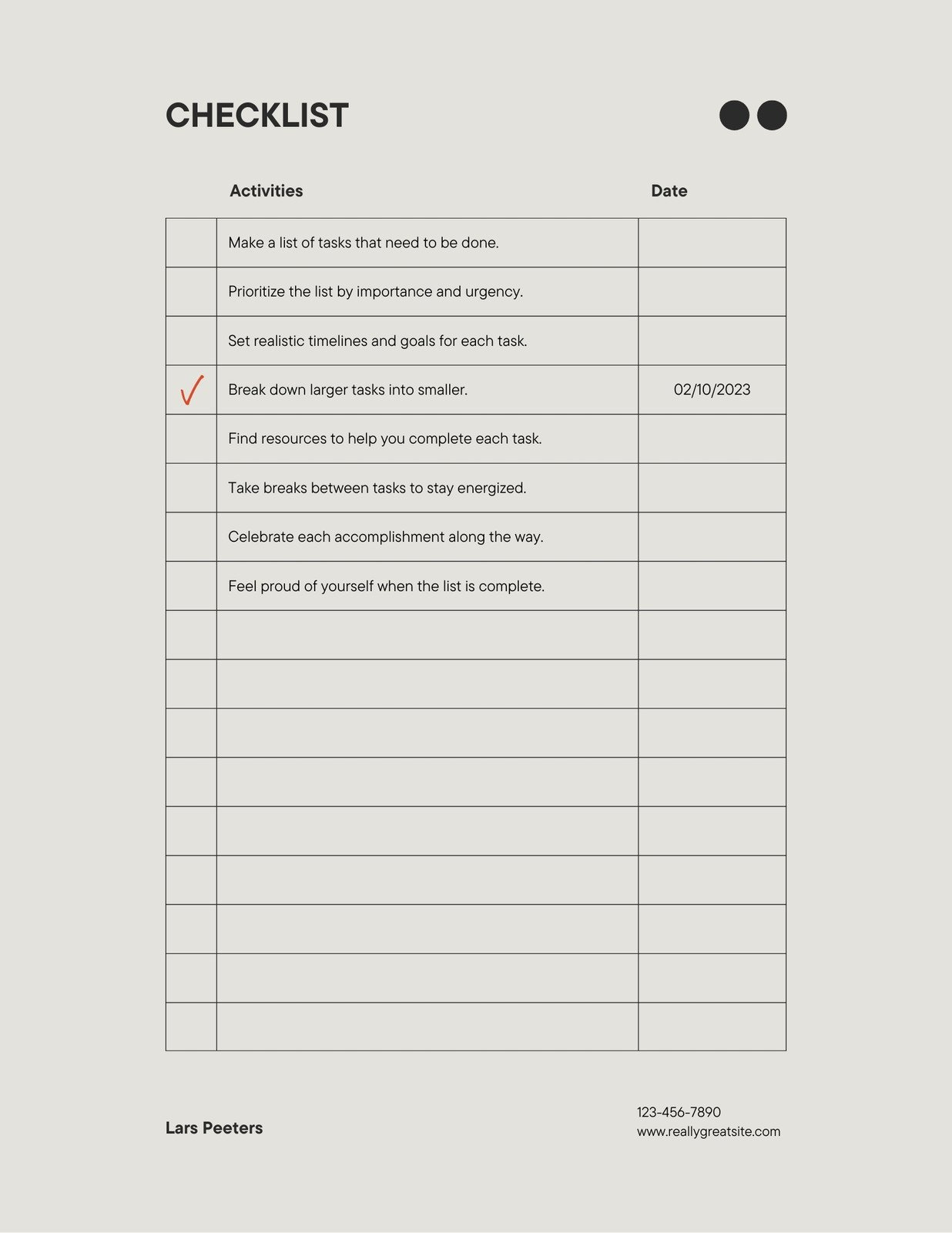
- Simple List Format: The most basic format is a simple list of tasks, each with a clear description and due date.
- Table Format: A table format can be more visually appealing and easier to read, especially for longer checklists.
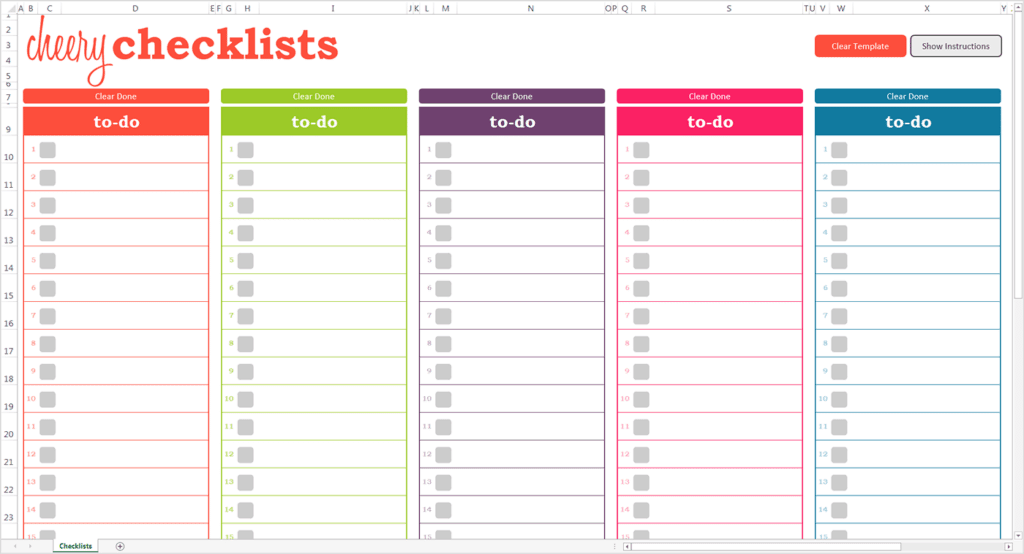
- Spreadsheet Format: A spreadsheet can be used to track progress, assign priorities, and generate reports.
- Digital Checklist Tools: There are numerous digital checklist tools available, such as Google Sheets, Microsoft Excel, and dedicated checklist apps.
Remember to customize the template to fit your specific needs. You can add sections for notes, comments, attachments, or other relevant information. Consider using a consistent format for all checklists to ensure that they are easy to use and understand.
Section 5: Review and Maintenance – Keeping Your Checklist Relevant
A checklist is not a static document. It needs to be reviewed and updated regularly to ensure that it remains relevant and effective. Schedule a time each month or quarter to review your checklist and identify any tasks that need to be added, removed, or modified. As your priorities change, your checklist should adapt accordingly. Don't be afraid to delete tasks that are no longer relevant or to add new tasks as needed. Regular maintenance is key to maximizing the value of your checklist.
The blank checklist template word is a powerful tool for improving productivity, organization, and overall success. By following the steps outlined in this article, you can create a checklist that is tailored to your specific needs and helps you achieve your goals. Remember to start simple, focus on clarity, and consistently review and update your checklist to ensure that it remains a valuable asset. The key is to embrace the process of planning and execution, and to view your checklist as a tool for empowerment, not a burden.
Conclusion
Creating a well-designed blank checklist template word is an investment in your productivity and overall success. It's a simple yet powerful tool that can significantly improve your ability to stay organized, manage your time effectively, and achieve your goals. By following the steps outlined in this article, you can build a checklist that is tailored to your specific needs and helps you take control of your workload. Don't underestimate the power of a thoughtfully crafted checklist – it's a valuable asset for anyone looking to improve their efficiency and achieve greater success. The consistent application of a well-defined checklist will yield tangible results, fostering a more organized and productive life. Ultimately, a blank checklist template word is a reflection of your commitment to planning and achieving your objectives.
0 Response to "Blank Checklist Template Word"
Posting Komentar