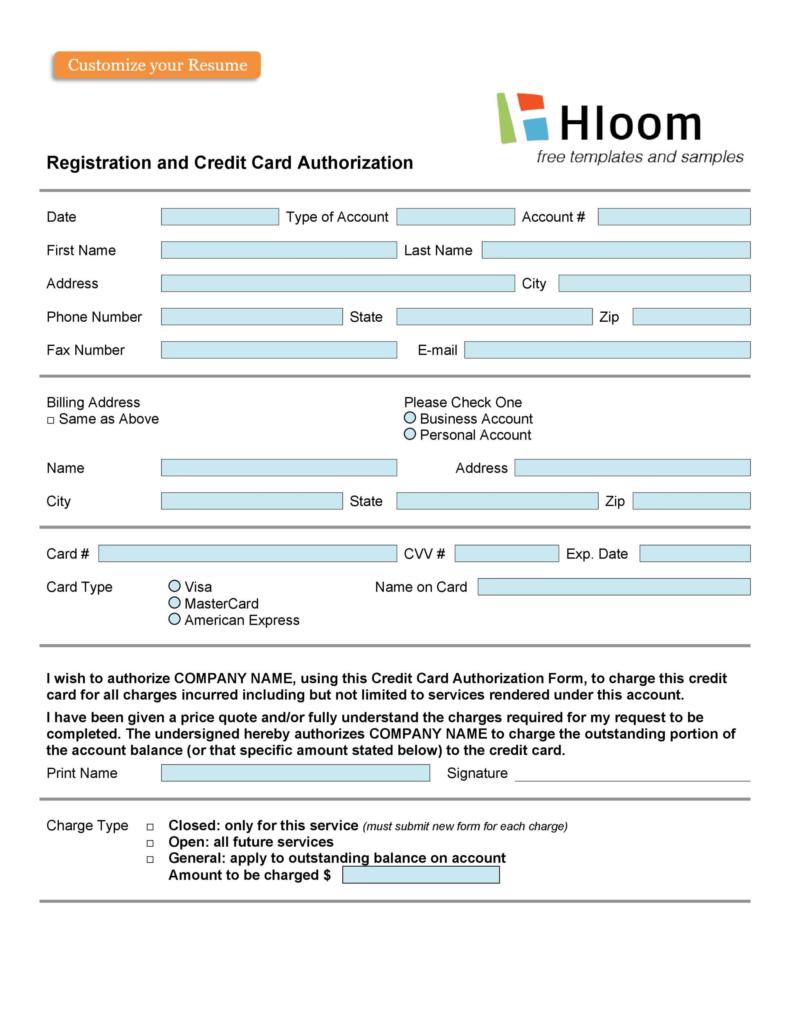
The demand for secure and user-friendly online payment systems continues to grow, and one of the most crucial components of these systems is the credit card authorisation form. Businesses and individuals alike rely on these forms to process transactions safely and efficiently. Credit Card Authorisation Form Template Australia is a readily available resource designed to simplify the creation and management of these vital documents. This article will delve into the essential aspects of creating a robust and compliant credit card authorisation form template, covering everything from design considerations to legal requirements. Understanding these elements is paramount for ensuring data security and maintaining customer trust. We'll explore the different sections, best practices for formatting, and the importance of compliance with relevant regulations. Ultimately, this guide will empower you to build a credit card authorisation form template that effectively protects your business and provides a seamless experience for your customers.
Understanding the Importance of a Credit Card Authorisation Form
A well-designed credit card authorisation form is far more than just a piece of paper. It's a critical tool for managing customer transactions and safeguarding business operations. It allows businesses to clearly communicate their authorization for a specific transaction, ensuring that the customer understands the details and approves or declines the request. Without a properly constructed form, there's a significant risk of fraudulent transactions and potential legal liabilities. Furthermore, a clear and concise form enhances customer satisfaction by demonstrating professionalism and respect for their privacy. The process of obtaining authorization should be straightforward and easily understandable, fostering trust and encouraging repeat business. The ability to quickly and accurately process transactions is a key competitive advantage for many businesses. The consistent use of a standardized form across all departments streamlines operations and reduces errors. In today's digital landscape, robust authorisation processes are no longer optional – they are a necessity.
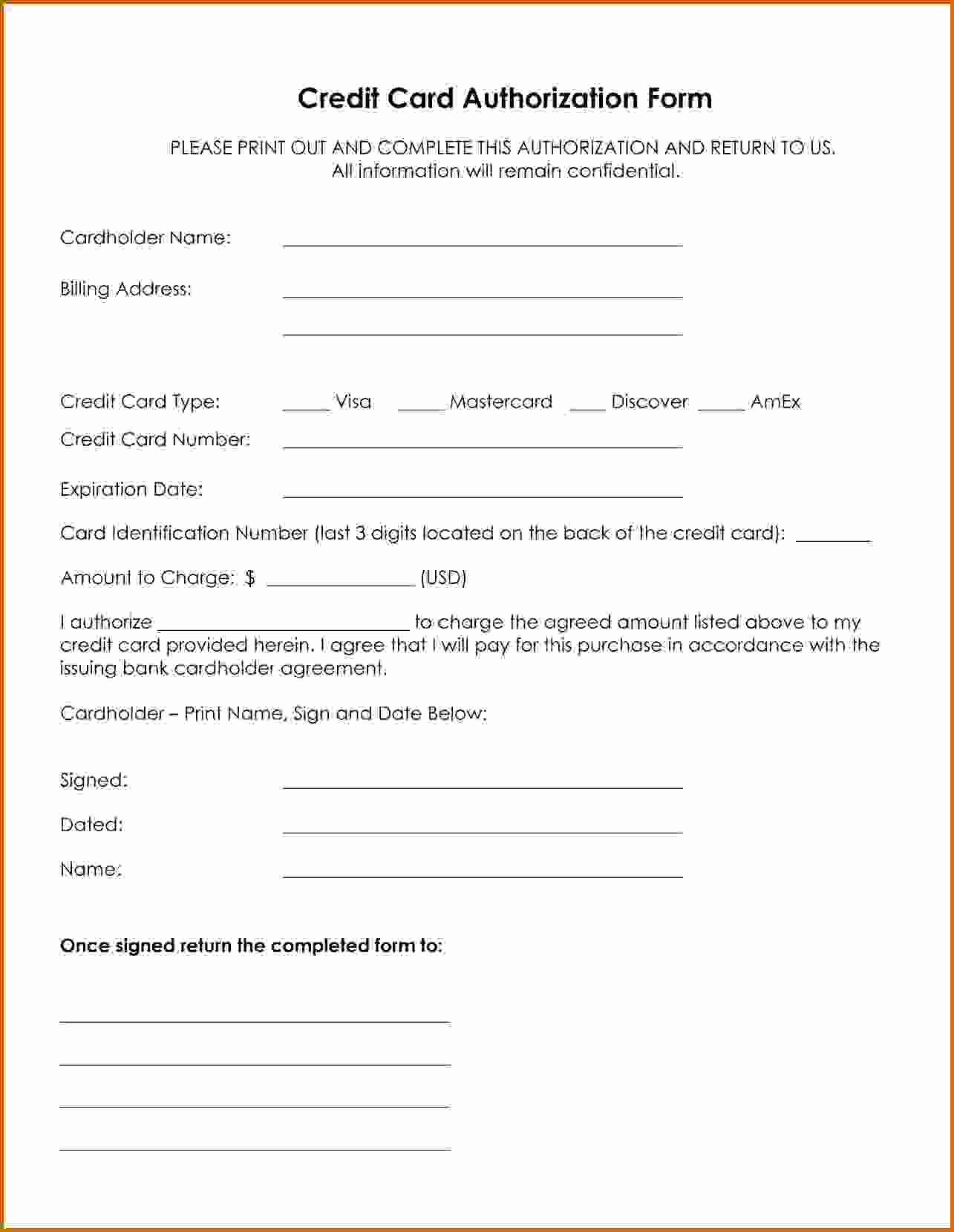
Key Sections of a Credit Card Authorisation Form Template
Let's examine the key sections typically included in a credit card authorisation form. Each section plays a vital role in ensuring a secure and compliant process.
Section 1: Customer Information
This section gathers essential customer details, ensuring accurate record-keeping. It typically includes:
- Full Name: The customer's legal name as it appears on their card.
- Address: The customer's current mailing address.
- Phone Number: A contact number for verification purposes.
- Email Address: A valid email address for communication.
- Date of Birth: For age verification and compliance.
Section 2: Transaction Details
This section outlines the specific transaction being authorized. It's crucial to clearly state the amount of the transaction and the type of transaction (e.g., online purchase, ATM withdrawal).
- Transaction Amount: The exact amount of the transaction to be processed.
- Transaction Type: Specify whether it's a purchase, withdrawal, or other relevant type.
- Merchant Name: The name of the merchant where the transaction will occur.
Section 3: Authorization Statement
This is the core of the form, where the customer explicitly authorizes the transaction. It's vital to use clear and unambiguous language.
- Authorization Details: Clearly state that the customer is authorizing the transaction.
- Transaction Details: Reiterate the transaction amount, type, and merchant.
- Signature: A space for the customer to sign and date the form. This provides a physical record of their authorization.
- Date: The date the authorization is being issued.
Section 4: Confirmation and Acceptance
This section confirms the customer's understanding and acceptance of the transaction.
- Acknowledgement: A statement confirming that the customer has read and understood the terms and conditions of the transaction.
- Consent: A clear statement that the customer consents to the transaction being processed.
- Signature: A space for the customer to sign and date the form.
Section 5: Additional Information (Optional)
Depending on the business's needs, additional sections may be included. This could include:
- Billing Address: A separate address for billing purposes.
- Payment Method: Information about the customer's preferred payment method.
- Notes: A space for the business to add any specific notes or instructions.
Best Practices for Form Design and Formatting
Creating a professional and user-friendly credit card authorisation form template requires careful attention to detail. Here are some best practices:
- Clear and Concise Language: Use simple, straightforward language that is easy to understand. Avoid jargon or technical terms.
- Consistent Formatting: Maintain consistent formatting throughout the form to improve readability. Use consistent font sizes, spacing, and headings.
- Accessibility: Ensure the form is accessible to individuals with disabilities, following accessibility guidelines (e.g., WCAG).
- Error Checking: Implement error checking to identify and correct any typos or inconsistencies in the form.
- Mobile-Friendly Design: Ensure the form is responsive and displays correctly on mobile devices.
- Security: Protect sensitive customer data by using encryption and secure data transmission protocols.
Legal Considerations and Compliance
It's crucial to comply with all applicable legal regulations when creating and using credit card authorisation forms. Key regulations include:
- PCI DSS Compliance: The Payment Card Industry Data Security Standard (PCI DSS) governs the security of cardholder data. Ensure your form template meets PCI DSS requirements.
- Data Privacy Regulations: Comply with data privacy regulations such as GDPR (General Data Protection Regulation) and CCPA (California Consumer Privacy Act).
- State Laws: Be aware of any state-specific laws regarding credit card authorization and consumer protection.
- Terms and Conditions: Clearly state the terms and conditions of the transaction, including the merchant's liability.
The Role of Technology in Credit Card Authorisation
Technology is playing an increasingly important role in streamlining the credit card authorisation process. Several tools and platforms are available to help businesses create and manage these forms efficiently. These include:
- Form Builder Software: Platforms like Jotform, Typeform, and Google Forms allow you to create custom forms with various features, including conditional logic and data validation.
- CRM Integration: Integrating the form with your CRM system can automate the process of collecting and storing authorization data.
- Mobile Apps: Mobile apps can be used to create and manage forms on the go.
Conclusion: A Secure and Efficient Process
Creating a robust and compliant credit card authorisation form template is a vital investment for businesses seeking to protect their customers and streamline their operations. By focusing on clear communication, secure data handling, and adherence to legal regulations, you can build a system that fosters trust and ensures a smooth and efficient transaction process. Remember that continuous monitoring and updates are essential to maintain compliance and adapt to evolving security threats and regulations. Credit Card Authorisation Form Template Australia is a powerful tool, but its effectiveness hinges on thoughtful design and diligent implementation. By prioritizing these elements, businesses can confidently manage credit card authorizations and safeguard their financial interests.
0 Response to "Credit Card Authorisation Form Template Australia"
Posting Komentar