
The world of [Industry Name] relies heavily on consistent monitoring and assessment. A robust system for tracking and analyzing operational data is crucial for maintaining efficiency, identifying potential problems, and ultimately, achieving success. That's where a Daily Inspection Report Template comes in – a standardized document designed to streamline this process, ensuring that critical information is captured and readily available at the start of each shift, day, or project. This template provides a clear and concise framework for documenting observations, findings, and corrective actions, fostering a culture of proactive problem-solving. Daily Inspection Report Template is more than just a form; it's a tool for improvement and accountability. It's a fundamental element of maintaining a safe, reliable, and productive operation. This article will delve into the benefits of utilizing a well-structured Daily Inspection Report Template, exploring its key components, best practices, and how to tailor it to your specific needs.
Understanding the Importance of Regular Inspections
Before we dive into the specifics of the template, it's important to understand why regular inspections are so vital. They're not simply about checking boxes; they're about proactively identifying issues before they escalate into costly repairs, downtime, or even safety hazards. A consistent inspection process allows for early detection of deviations from established standards, enabling timely interventions. Consider the impact of a minor issue – it might seem insignificant initially, but if left unaddressed, it can snowball into a significant problem. Furthermore, inspections provide valuable data for performance analysis, allowing you to measure progress, identify areas for optimization, and demonstrate accountability to stakeholders. Without a regular inspection routine, you risk operating with a reactive approach, which is rarely as effective as a proactive one. The benefits extend beyond operational efficiency; they contribute to a safer work environment and a more reliable product or service.
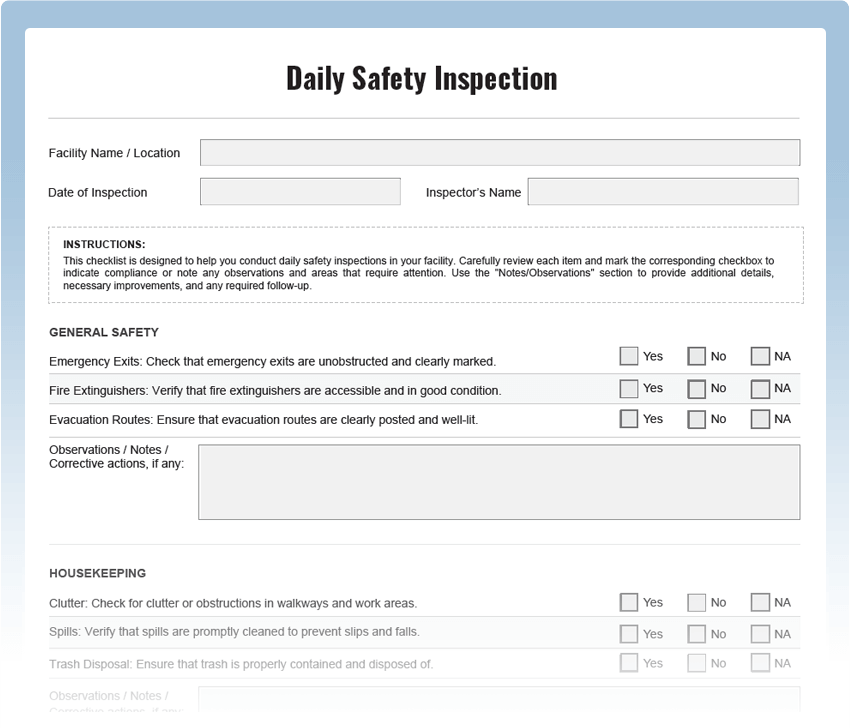
Core Components of a Daily Inspection Report Template
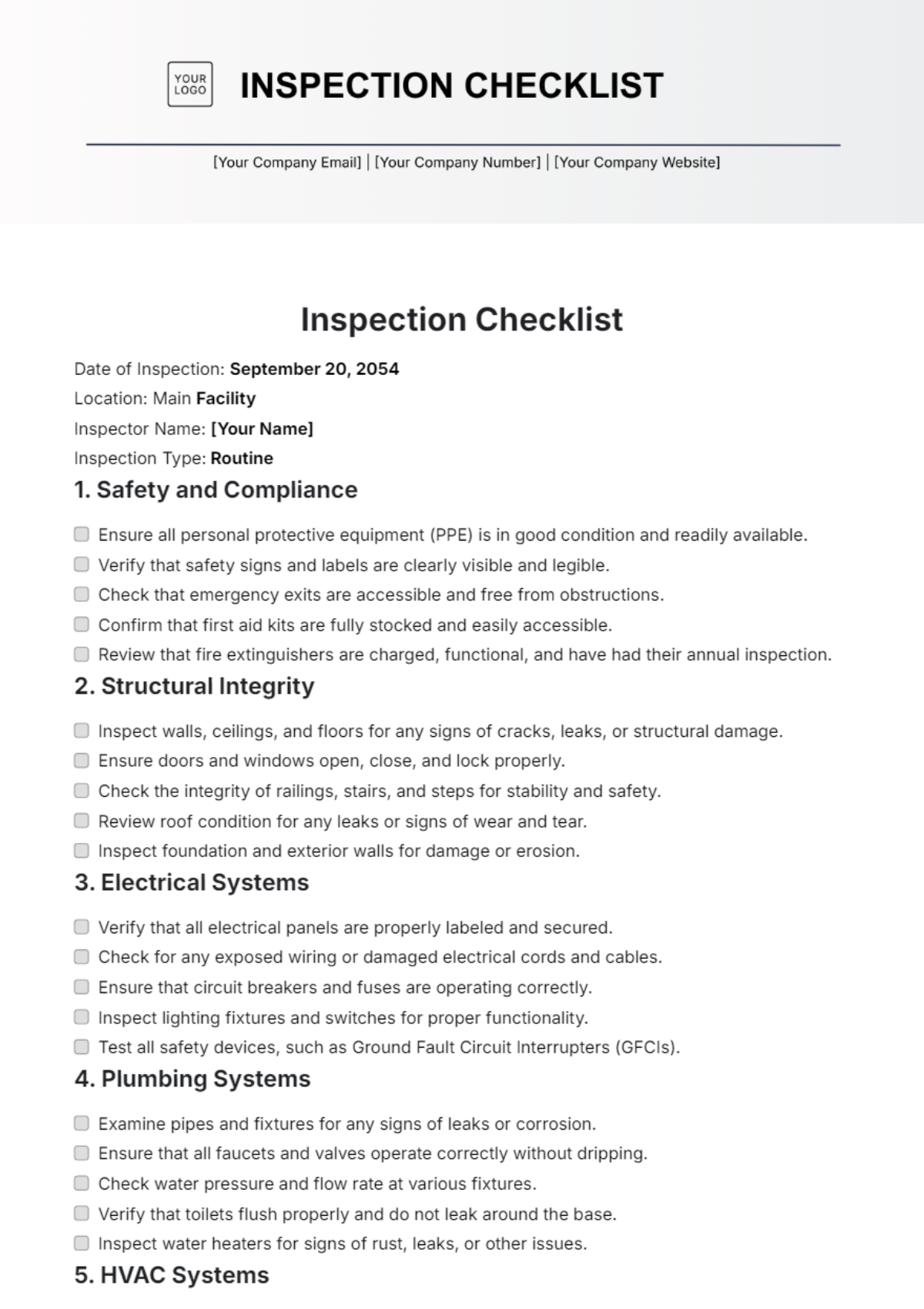
A comprehensive Daily Inspection Report Template typically includes several key sections. Each section is designed to gather specific information and facilitate analysis. Let's examine some of the most important components:

1. Date and Time of Inspection
This is the foundational element, ensuring chronological tracking. The date and time should be clearly recorded, ideally with timestamps for precise record-keeping. This allows for easy retrieval and comparison of data over time. For example, "2023-10-27 08:00 AM" is a standard format.
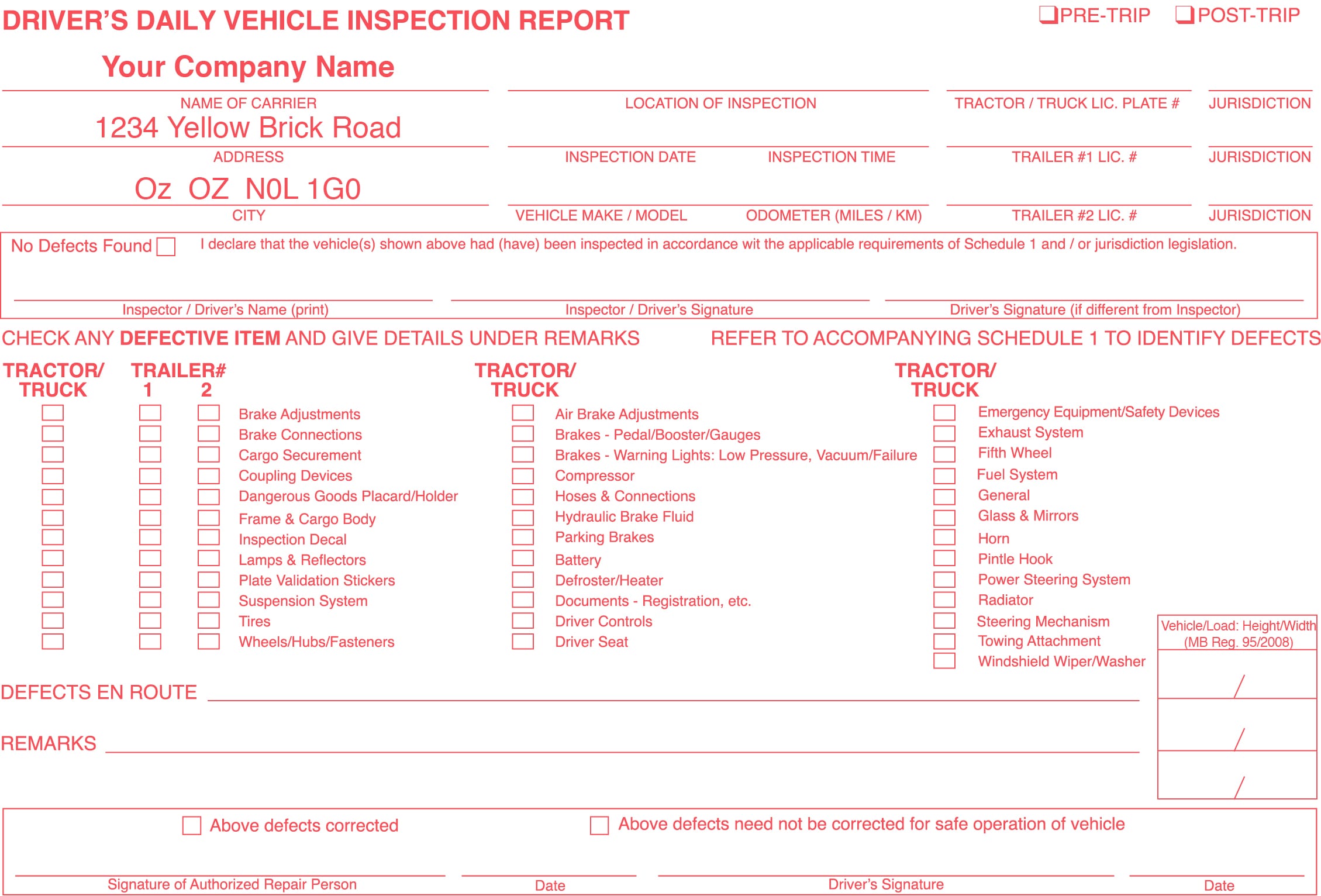
2. Location of Inspection
Precisely pinpointing the location of the inspection is critical. This could be a specific machine, workstation, area, or even a section of the facility. Using a standardized location identifier (e.g., Room 302, Production Line A) ensures consistency and facilitates data analysis. Consider using a barcode or RFID tag to automatically record the location.

3. Observed Conditions
This section details the specific observations made during the inspection. It's a narrative description of what was observed, focusing on factual details rather than subjective opinions. For example, instead of saying "The machine looked dirty," it should state "The machine's cooling fan was covered in dust, reducing its efficiency." Be specific and objective.
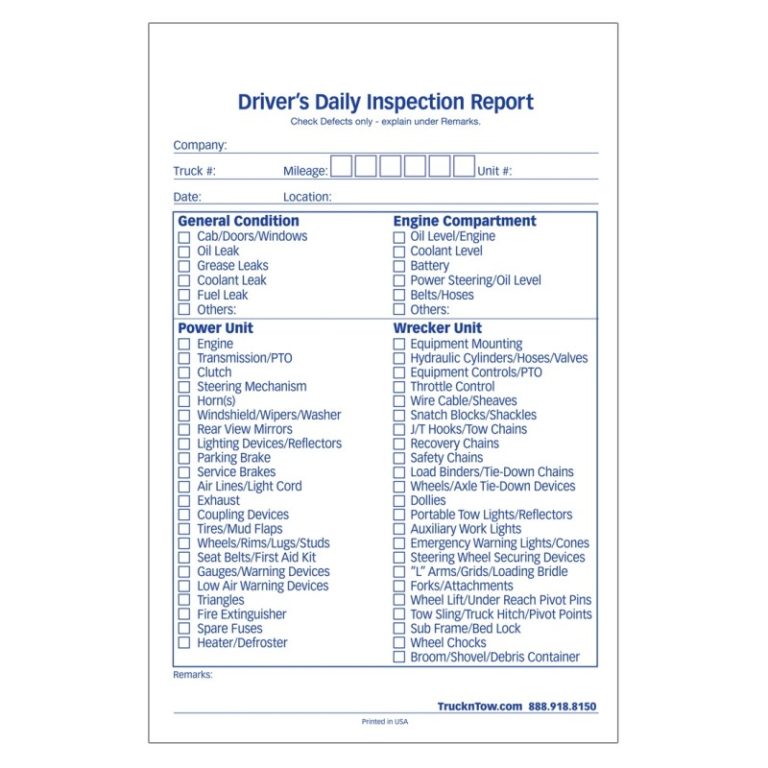
4. Identified Issues
This is where you formally document any problems or deviations from the expected state. Issues should be clearly categorized and assigned a severity level (e.g., Critical, High, Medium, Low). A consistent rating system ensures that issues are prioritized effectively. For example, a malfunctioning sensor might be rated as "Critical" due to the potential for incorrect readings.
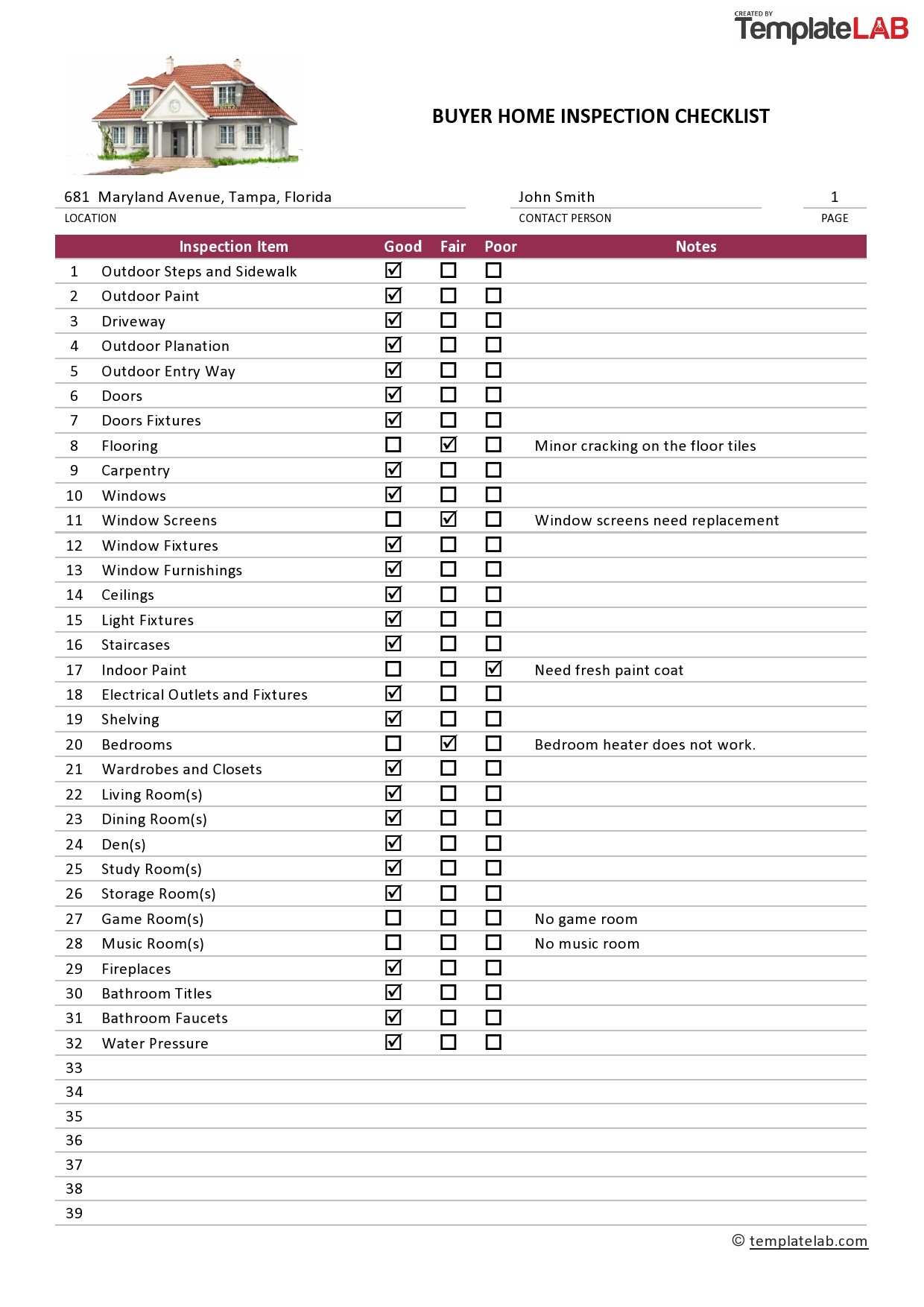
5. Contributing Factors (Optional, but Recommended)
Sometimes, an issue isn't immediately obvious. Identifying potential contributing factors – the root cause – can be invaluable for preventing recurrence. This section allows you to explore the circumstances that led to the issue. For instance, if a machine malfunctioned, the contributing factors might include a recent change in maintenance schedule, a lack of operator training, or a faulty component.
6. Corrective Actions Taken
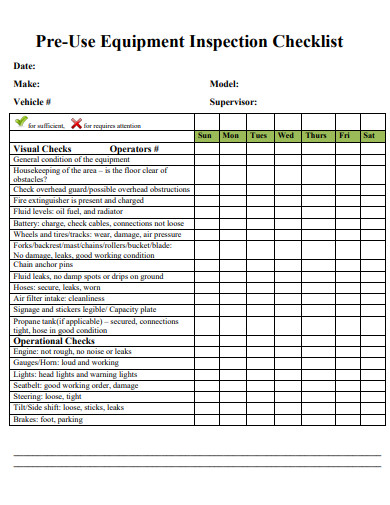
This section outlines the steps taken to address the identified issues. It's crucial to document exactly what actions were performed, who performed them, and when. This demonstrates accountability and provides a clear record of the corrective process. For example, "The cooling fan was cleaned and oiled. Operator John Doe verified the fan's operation."
7. Follow-Up Actions (If Applicable)
If further investigation or action is required, this section should detail the next steps. This might include a follow-up inspection, a repair order, or a change in procedures. It's important to establish a clear timeline for follow-up actions.

Best Practices for Effective Inspection Reporting
Creating a truly effective Daily Inspection Report Template requires more than just filling out the sections. Here are some best practices to consider:

- Standardize the Format: Use a consistent format across all reports to ensure readability and comparability.
- Use Clear and Concise Language: Avoid jargon and technical terms that may not be understood by everyone.
- Be Objective: Focus on facts and avoid subjective opinions.
- Include Visual Aids: Diagrams, photos, and videos can significantly enhance the report and provide a more comprehensive understanding of the issue.
- Regularly Review and Update: Periodically review the template and update it to reflect changes in your processes or equipment.
- Train Your Team: Ensure that all personnel involved in the inspection process are properly trained on how to use the template and follow established procedures.
The Role of Data Analysis and Reporting
The true power of a Daily Inspection Report Template lies not just in its documentation, but in its ability to facilitate data analysis. By collecting and analyzing data from these reports, you can identify trends, pinpoint root causes of problems, and proactively implement preventative measures. Regular reporting allows you to track progress over time, measure the effectiveness of your corrective actions, and make data-driven decisions to optimize your operations. Furthermore, reporting provides valuable insights for management, enabling them to identify areas for improvement and allocate resources effectively.
Conclusion: Leveraging the Power of Inspection
In conclusion, a well-structured Daily Inspection Report Template is an indispensable tool for maintaining operational excellence. It provides a consistent framework for documenting observations, identifying issues, and tracking corrective actions. By embracing this template and adhering to best practices, organizations can significantly improve their efficiency, enhance safety, and achieve their strategic goals. The ability to proactively address potential problems before they escalate is a key differentiator in today's competitive landscape. Investing in a robust inspection system is an investment in a more reliable, productive, and ultimately, more successful operation. Daily Inspection Report Template is a cornerstone of this investment.
Conclusion
The consistent and thorough documentation facilitated by a well-designed Daily Inspection Report Template is paramount for maintaining operational stability, identifying potential problems early, and driving continuous improvement. By embracing this standardized approach, organizations can foster a culture of proactive problem-solving, ultimately leading to enhanced efficiency, reduced downtime, and a safer, more reliable environment. The benefits extend far beyond simple compliance; they represent a strategic advantage in a demanding and constantly evolving business world. Continuous refinement of the template, coupled with robust data analysis, will ensure its continued relevance and effectiveness.
0 Response to "Daily Inspection Report Template"
Posting Komentar