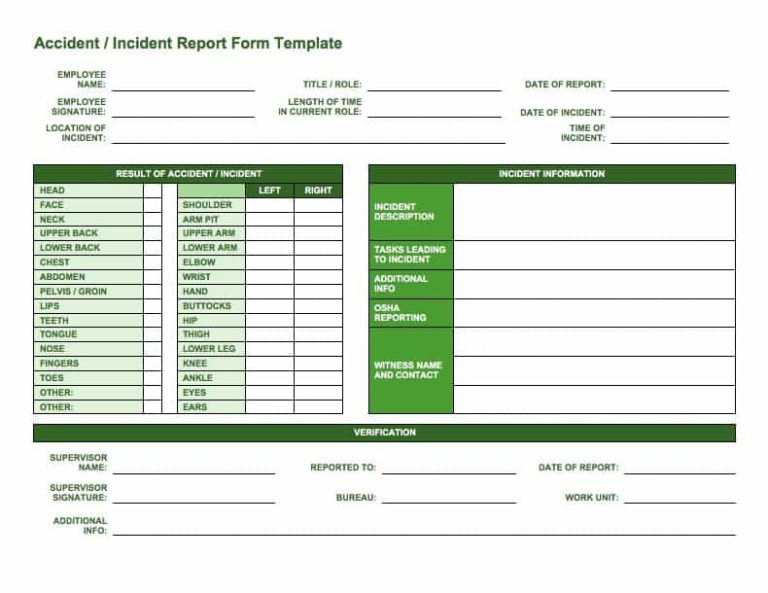
The world of healthcare and business relies heavily on consistent and accurate record-keeping. A robust incident reporting system is no longer a luxury – it's a necessity for identifying trends, improving processes, and ultimately, safeguarding patient safety and operational efficiency. This article will delve into the critical role of an Incident Report Template Itil, exploring its benefits, key components, and best practices for implementation. Incident Report Template Itil is a standardized framework designed to systematically capture and analyze incidents, fostering a culture of continuous improvement and accountability. It's a cornerstone of a proactive safety management system, ensuring lessons are learned and preventative measures are implemented. Understanding how to effectively utilize this template is vital for any organization seeking to minimize adverse events and maintain a high standard of care.
The rise of digital health and the increasing complexity of healthcare operations have amplified the importance of incident reporting. Traditional methods often relied on paper-based systems, leading to inconsistencies, delays, and difficulty in analyzing data. An Incident Report Template Itil provides a structured approach to documenting incidents, reducing the risk of missed opportunities for learning and improvement. It moves beyond simply reporting what happened to actively investigating the root causes and implementing corrective actions. The benefits of adopting this template extend beyond compliance; it fosters a culture of transparency and encourages a proactive approach to safety. Furthermore, it streamlines the reporting process, freeing up valuable time for teams to focus on addressing issues rather than administrative burdens. Ultimately, a well-utilized Incident Report Template Itil contributes to a safer, more efficient, and more resilient organization.
Understanding the Core Principles of Incident Reporting
Before diving into the specifics of the Template Itil, it's crucial to grasp the underlying principles that drive its effectiveness. Incident reporting isn't just about documenting events; it's about understanding why those events occurred. This requires a systematic approach that includes:
- Objectivity: Reports should be factual and unbiased, focusing on observable events without speculation or judgment.
- Completeness: All relevant details should be included, including the date, time, location, involved personnel, and a clear description of the incident.
- Timeliness: Reports should be submitted promptly after the incident, ideally within 24-48 hours.
- Accuracy: Verification of information is paramount. Ensure all data is accurate and reliable.
The Key Components of the Incident Report Template Itil
The Template Itil provides a comprehensive framework for documenting incidents, incorporating several key sections. Each section is designed to elicit specific information and facilitate analysis. Let's examine these components in detail:
1. Incident Identification
This initial section is the foundation of the report. It requires a clear and concise description of the incident. The template typically includes fields for:
- Incident Title: A brief, descriptive title for the incident.
- Date and Time: Precise date and time of the incident.
- Location: Detailed location of the incident (e.g., room, department, specific equipment).
- Description: A narrative account of what happened, including the sequence of events. Focus on observable actions and circumstances.
- Severity Level: A rating of the incident's impact (e.g., low, medium, high, critical). This should be based on pre-defined criteria.
2. Root Cause Analysis
This section is arguably the most critical for driving improvement. It requires a thorough investigation into the underlying causes of the incident. The template often includes prompts for:
- Contributing Factors: A list of factors that contributed to the incident.
- Potential Causes: Brainstorming of potential causes, drawing on lessons learned from previous incidents.
- Root Cause(s): The identified underlying cause(s) of the incident. This should be a clear and concise statement.
- Supporting Evidence: Any data, observations, or documentation that supports the identified root cause(s).
3. Impact Assessment
This section evaluates the consequences of the incident. It's vital to understand the impact on patients, staff, and the organization. Key elements include:
- Patient Impact: Details of any adverse patient outcomes (e.g., injury, illness, complications).
- Staff Impact: Assessment of any impact on staff (e.g., injuries, stress, workload).
- Operational Impact: Analysis of any disruption to operations (e.g., delays, workflow inefficiencies).
- Financial Impact: Estimated costs associated with the incident (e.g., medical expenses, lost productivity).
4. Corrective Actions
This section outlines the steps taken to address the incident and prevent recurrence. It should include:
- Corrective Actions Implemented: Specific actions taken to mitigate the impact of the incident.
- Preventative Measures: Recommendations for preventing similar incidents from occurring in the future.
- Action Plan: A timeline for implementing the corrective actions.
- Responsible Party: The individual or team responsible for implementing the corrective actions.
5. Lessons Learned
This section summarizes the key takeaways from the incident. It's a valuable opportunity to identify patterns and areas for improvement. It typically includes:
- Key Findings: A summary of the most important lessons learned.
- Recommendations: Specific recommendations for improving processes, training, or equipment.
- Future Actions: Planned actions to address identified gaps.
Conclusion
The Incident Report Template Itil is more than just a form; it's a strategic tool for continuous improvement. By systematically documenting incidents, analyzing their root causes, and implementing corrective actions, organizations can significantly reduce the risk of adverse events and enhance patient safety. The consistent application of this template fosters a culture of accountability and proactive risk management. Ultimately, investing in a robust Incident Report Template Itil is an investment in the well-being of patients, the success of the organization, and the long-term sustainability of its operations. The benefits of a well-documented incident reporting system are undeniable, contributing to a safer, more efficient, and more resilient healthcare environment.
Conclusion
The Incident Report Template Itil is a critical component of a comprehensive safety management system. Its structured approach to documenting incidents, coupled with a focus on root cause analysis and corrective action implementation, empowers organizations to proactively identify and address potential risks. By embracing this template, healthcare providers and businesses can significantly reduce the likelihood of adverse events, improve patient outcomes, and foster a culture of continuous improvement. Furthermore, the consistent use of this framework facilitates data-driven decision-making, enabling organizations to optimize their processes and enhance operational efficiency. The long-term benefits of a well-implemented Incident Report Template Itil far outweigh the initial investment, making it a worthwhile endeavor for any organization committed to providing the highest quality of care.
0 Response to "Incident Report Template Itil"
Posting Komentar