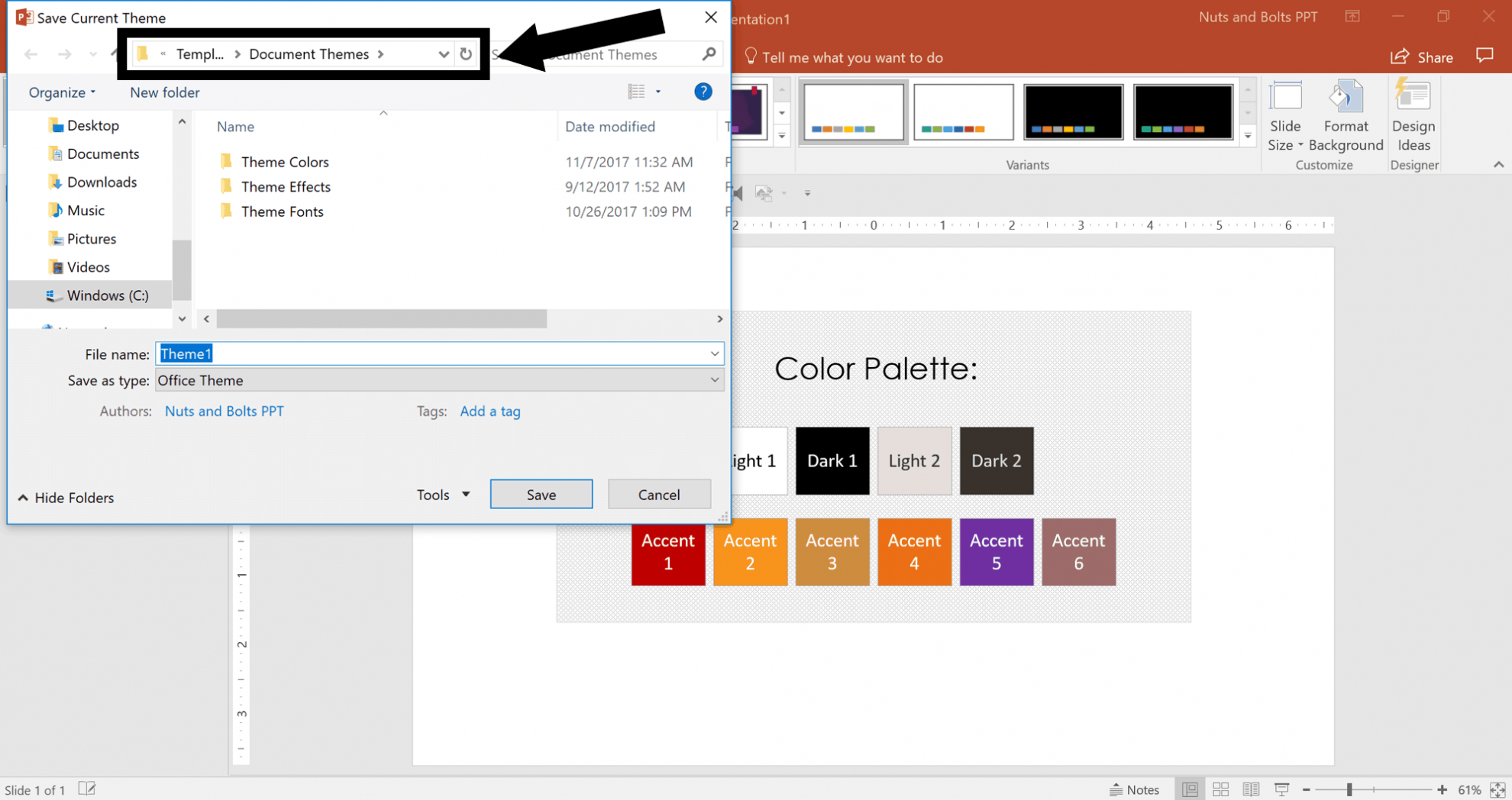
PowerPoint presentations are a cornerstone of modern business communication, but they can quickly become a significant drain on resources – both time and budget. The sheer volume of slides, the need for constant updates, and the potential for formatting inconsistencies can quickly overwhelm presenters and team members. Fortunately, there's a powerful tool that can significantly streamline this process: the ability to save your PowerPoint presentation as a theme. This isn't just about aesthetics; it's about creating a consistent, professional look across multiple presentations, reducing redundant effort, and ultimately saving valuable time and money. This article will delve into the benefits of this technique, explore the different methods available, and provide practical guidance on how to effectively utilize this feature. Let's explore how to 'Save Powerpoint Template As Theme' and transform your presentation workflow.
The core concept behind 'Saving Powerpoint Template As Theme' is leveraging the built-in template features within PowerPoint. PowerPoint's template system allows you to create a base template that can be customized with various colors, fonts, layouts, and effects. Instead of starting from scratch each time you create a new presentation, you can simply modify an existing template, saving you countless hours of manual design. This is particularly beneficial for large teams or when frequently updating presentations. It's a fundamental shift in how you approach presentation design, moving from a reactive approach to a proactive one. The ability to easily reuse these templates across multiple presentations is a game-changer for efficiency.
Understanding the Benefits of Template Saving
The advantages of 'Saving Powerpoint Template As Theme' extend far beyond simple aesthetics. Here's a breakdown of the key benefits:

- Time Savings: Creating a new presentation from scratch is a time-consuming process. Template saving drastically reduces this time, allowing presenters to focus on content and delivery.
- Consistency: Templates ensure a consistent look and feel across all presentations, strengthening brand identity and improving viewer comprehension. This is crucial for professional presentations and marketing materials.
- Reduced Errors: Templates minimize the risk of formatting errors and inconsistencies that can occur when manually designing slides. PowerPoint's built-in checks help ensure a polished final product.
- Cost Savings: Reduced design time translates directly into cost savings, especially for organizations with large presentation teams.
- Improved Collaboration: Templates facilitate collaboration among team members, as everyone can benefit from the same reusable design elements.
Different Methods for Saving Powerpoint Templates
There are several ways to 'Save Powerpoint Template As Theme,' each with its own advantages and considerations:
The 'Save As' Option: The most straightforward method is to use the 'Save As' option within PowerPoint. Navigate to File > Save As, and select "PowerPoint Template (*.potx)" as the file type. This will save the template as a separate file, allowing you to easily modify it later.

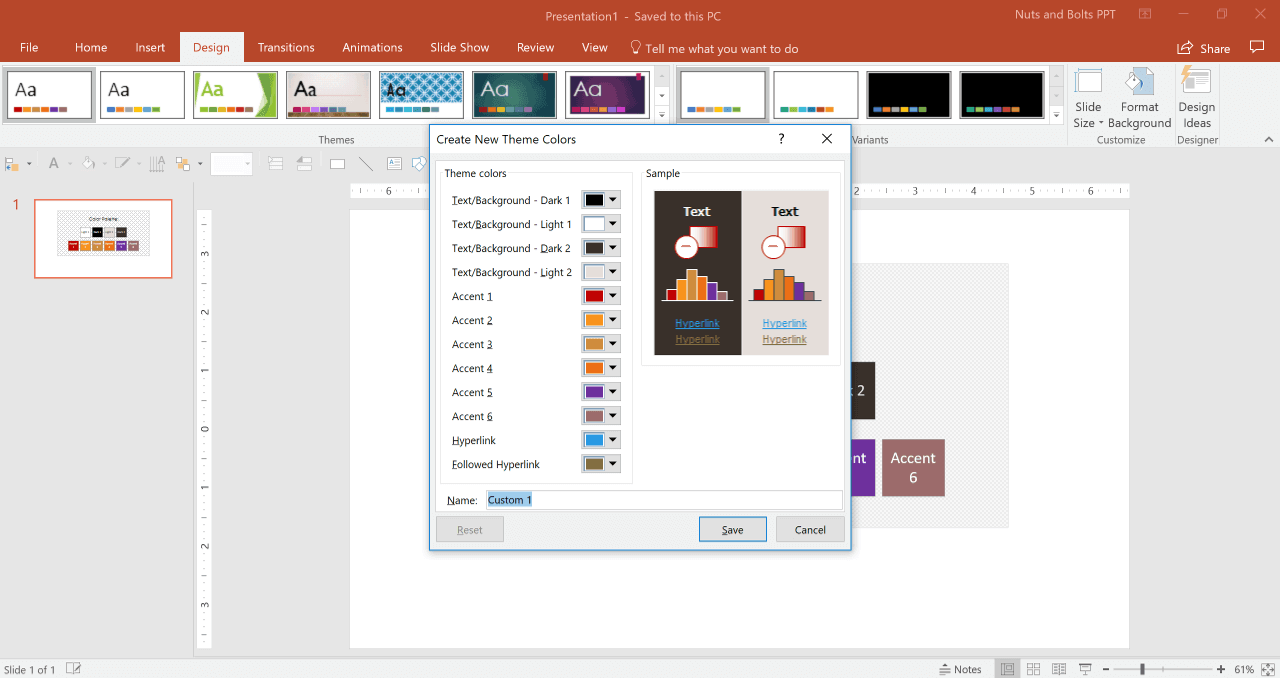
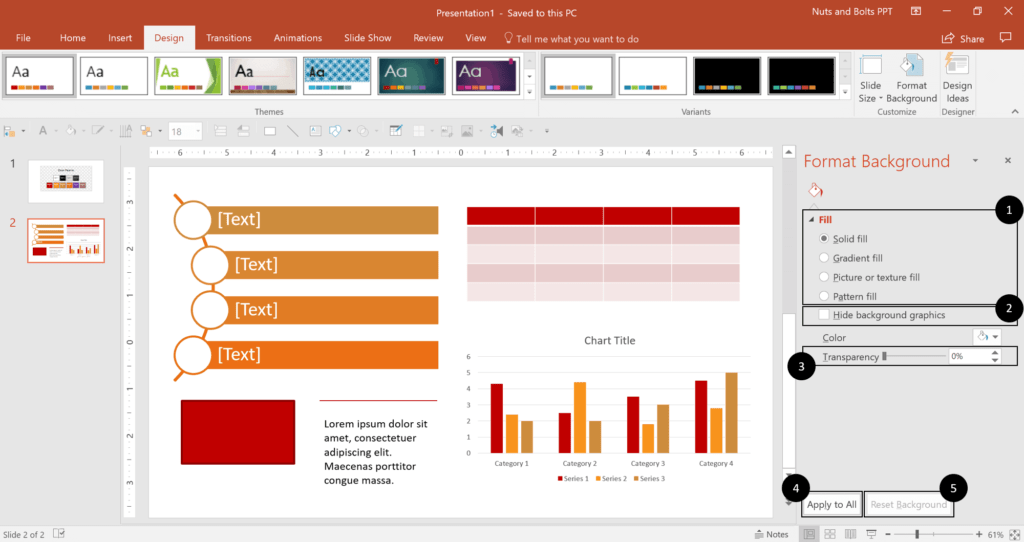
Using the 'Design' Tab: The 'Design' tab provides a more visual way to manage templates. Within the 'Design' tab, you can access and modify the template's elements, including colors, fonts, and layouts. This is a good option for making minor adjustments to the overall design.
Leveraging the 'Templates' Library: PowerPoint's 'Templates' library is a vast repository of pre-designed templates. You can browse through these templates and select one that suits your needs. This is particularly useful for quickly creating a basic presentation template.
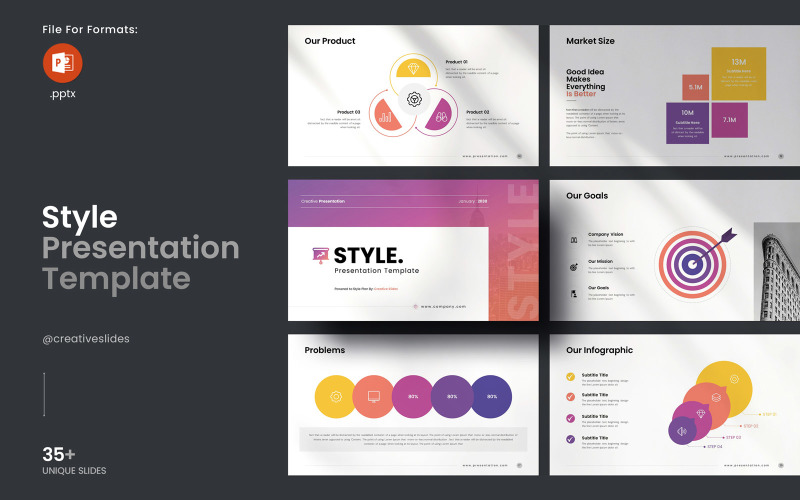
Creating Custom Templates: For truly unique presentations, you can create custom templates within PowerPoint. This involves defining the elements and layout of your template, and then saving it as a separate file. This offers the most flexibility but requires a deeper understanding of PowerPoint's template system.

Key Elements of a PowerPoint Template
Understanding the core elements of a PowerPoint template is essential for effectively 'Saving Powerpoint Template As Theme'. Here's a breakdown of the most important components:

- Background: The background color and pattern significantly impact the overall look and feel of the presentation. Choose colors that complement your content and brand.
- Titles: Clear and concise titles are crucial for guiding the audience's attention. Use a consistent font and size for all titles.
- Fonts: Select fonts that are legible and appropriate for the presentation's tone. Limit yourself to a maximum of two fonts to maintain visual consistency.
- Colors: Use a color palette that is visually appealing and consistent with your brand. Consider using color theory principles to create a harmonious design.
- Layout: The layout of your slides is critical for conveying information effectively. Use a grid system to ensure that your slides are aligned and organized.
- Images and Graphics: High-quality images and graphics can enhance the visual appeal of your presentation. Ensure that images are properly sized and optimized for web viewing.
Advanced Template Techniques
Beyond the basic elements, there are several advanced techniques you can use to create truly effective PowerPoint templates:
- Color Styles: Utilize color styles to quickly apply consistent color schemes across multiple slides. This saves time and ensures a cohesive look.
- Shape Styles: Employ shape styles to create a consistent visual language for your slides. This can improve readability and professionalism.
- Animation and Transitions: Subtle animations and transitions can add visual interest to your presentation, but use them sparingly to avoid distracting the audience.
- SmartArt: SmartArt graphics can be used to create visually appealing diagrams and charts, enhancing the presentation's clarity.
Best Practices for Template Management
To maximize the benefits of 'Saving Powerpoint Template As Theme,' follow these best practices:
- Document Your Templates: Create a clear and concise document that outlines the key elements of each template. This will make it easier to recreate and modify templates in the future.
- Version Control: Use version control to track changes to your templates. This will help you revert to previous versions if necessary.
- Regularly Review and Update: Periodically review your templates to ensure that they are still relevant and effective. Update them as needed to reflect changes in your business or presentation style.
- Save as a Template: Always save your templates as a separate file (e.g., .potx) to preserve your customizations.
Conclusion
'Saving Powerpoint Template As Theme' is a powerful and increasingly essential tool for any presenter or business professional. By leveraging the template system, organizations can significantly reduce time and effort, improve consistency, and enhance the overall quality of their presentations. Understanding the different methods for saving templates, the key elements of a well-designed template, and following best practices will empower you to effectively 'Save Powerpoint Template As Theme' and transform your presentation workflow. Investing in mastering this technique is an investment in efficiency, professionalism, and ultimately, success. The ability to quickly and easily adapt to changing needs and requirements is a significant advantage in today's dynamic business environment. Don't let the complexities of PowerPoint's template system hold you back – embrace the power of 'Saving Powerpoint Template As Theme' and unlock your presentation potential.
0 Response to "Save Powerpoint Template As Theme"
Posting Komentar