
The process of User Acceptance Testing (UAT) is a critical stage in the software development lifecycle, ensuring that a product meets the needs and expectations of its intended users. A well-structured feedback report is essential for capturing valuable insights, identifying areas for improvement, and ultimately, delivering a successful product. This article will delve into the creation and utilization of a robust User Acceptance Testing (UAT) Feedback Report Template, providing a comprehensive guide to effectively document and analyze the results of your UAT efforts. User Acceptance Testing Feedback Report Template is more than just a document; it's a strategic tool for continuous improvement. It's a vital communication channel between the development team and the end-users, fostering a collaborative environment focused on delivering a superior user experience. Without a clear and detailed report, valuable feedback can be lost, leading to costly rework and potential user dissatisfaction. This guide will walk you through the key components of a successful UAT feedback report, ensuring you capture the information needed to make informed decisions.
Understanding the Importance of UAT Feedback
UAT isn't simply about finding bugs; it's about validating that the product solves the right problem for the right people. It's a chance to observe real users interacting with the software in a realistic environment, uncovering usability issues, functionality gaps, and potential pain points that might not be apparent during internal testing. The feedback gathered during UAT directly impacts the product's quality, user satisfaction, and ultimately, its success in the market. Poorly executed UAT can lead to significant delays, increased costs, and a negative impact on the brand. Conversely, thorough and well-documented UAT provides a solid foundation for iterative development, allowing teams to quickly address issues and deliver a polished product. The time invested in creating a comprehensive UAT feedback report is an investment in the long-term success of the project.

Building Your UAT Feedback Report Template
A well-designed UAT feedback report template provides a standardized framework for capturing all relevant information. Here's a breakdown of the essential sections:
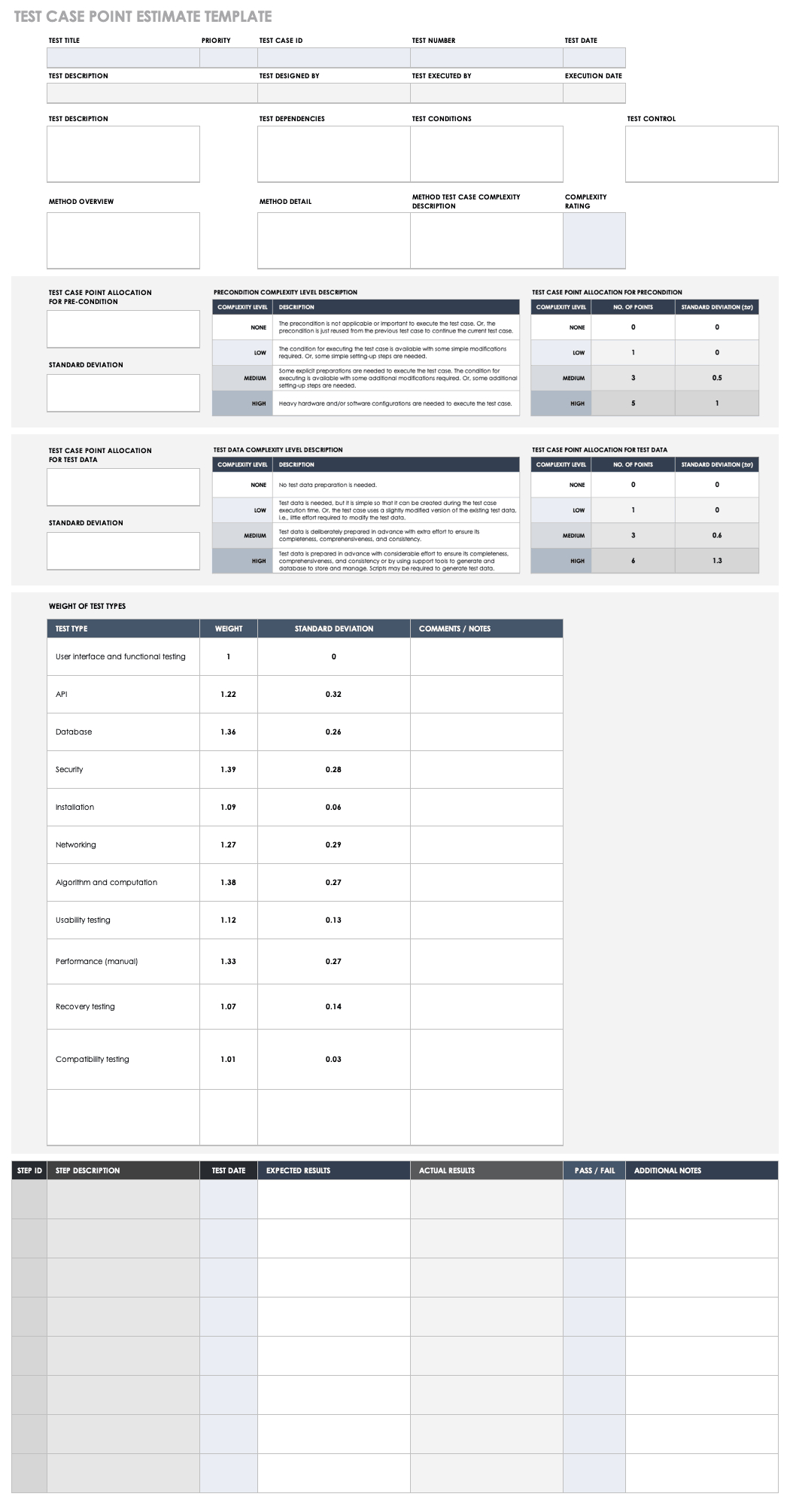
- Project Information: Start by clearly identifying the project name, version number, and the date of the UAT. This context is crucial for tracking progress and understanding the scope of the testing.
- UAT Objectives: Briefly outline the specific goals and objectives of the UAT. What were you trying to achieve with this testing phase? Documenting these objectives helps to contextualize the feedback.
- Participants: List all users who participated in the UAT, including their roles, demographics (if relevant), and any relevant experience with the product. A diverse participant pool provides a more comprehensive assessment.
- Testing Environment: Describe the environment in which the UAT was conducted. This includes hardware, software, network connectivity, and any specific configurations used. Consistency in the testing environment is vital for reliable results.
- Test Scenarios & Tasks: This is the core of the report. Detail the specific scenarios and tasks that users were asked to perform. Be as granular as possible. For example, instead of simply saying "navigate the login page," break it down into: "Log in with valid credentials, enter a valid email address, and verify successful login."
- Observations & Findings: This section is where you document your observations during the UAT. Be objective and factual. Instead of saying "The interface was confusing," write "Users struggled to locate the 'Settings' menu, repeatedly clicking on unrelated buttons. Several users reported feeling lost and frustrated." Use clear and concise language.
- Severity Ratings: Assign a severity rating to each observation based on its impact on the user experience. Common severity levels include:
- Critical: Major functionality is broken, preventing users from completing a key task.
- High: Significant usability issues, impacting user workflow.
- Medium: Minor usability issues, affecting a small number of users.
- Low: Cosmetic issues or minor inconveniences.
- Recommendations: This is where you suggest specific actions to address the identified issues. These should be actionable and prioritized. For example, "Implement a clear visual hierarchy for the navigation menu."
- Attachments: Include any relevant screenshots, screen recordings, or video clips that illustrate the issues observed. Visual aids are incredibly helpful for conveying the problem.
- Overall Assessment: Provide a summary of the overall quality of the UAT. Did you identify any significant issues that require immediate attention? Did the UAT meet the defined objectives?
Leveraging Templates for Efficiency
Using a pre-built UAT feedback report template can significantly streamline the process. Many tools and platforms offer customizable templates that can be tailored to your specific needs. These templates often include sections for specific types of testing (e.g., usability testing, functional testing, performance testing). Consider using a template that allows for easy data entry and analysis. Furthermore, utilizing a spreadsheet or database to store the feedback data can facilitate reporting and tracking.
The Importance of Data Analysis
Simply collecting feedback isn't enough. Analyzing the data is crucial for understanding the root causes of issues and identifying areas for improvement. Look for patterns and trends in the feedback. Are certain scenarios consistently problematic? Are users struggling with a specific feature? Using data visualization tools can help you identify these patterns more effectively. Quantitative data (e.g., number of clicks, time spent on a task) can be combined with qualitative data (e.g., user comments) to provide a more complete picture.
Best Practices for UAT Feedback
- Start Early: Begin the UAT process as early as possible in the development lifecycle.
- Involve Users: Actively engage users throughout the testing process.
- Be Specific: Provide detailed and actionable feedback.
- Prioritize Issues: Focus on the most critical issues first.
- Follow Up: After the UAT, follow up with users to ensure that the issues have been addressed and that they are satisfied with the changes.
- Document Everything: Maintain a complete and organized record of the UAT process.
Conclusion
User Acceptance Testing Feedback Report Template is a powerful tool for improving the quality and usability of software products. By systematically documenting and analyzing the results of UAT, development teams can identify and address issues proactively, ensuring that the final product meets the needs of its users. A well-structured and thoroughly analyzed report is not just a document; it's a strategic asset that contributes to a more successful and satisfying user experience. Investing time in creating and maintaining a robust UAT feedback report template is an investment that pays dividends throughout the entire product development lifecycle. Ultimately, a commitment to continuous improvement through UAT feedback is essential for delivering exceptional products.
Conclusion
The process of User Acceptance Testing is a continuous cycle of feedback, analysis, and refinement. A well-defined and consistently utilized UAT feedback report template is the cornerstone of this process, enabling teams to proactively address user needs and deliver high-quality software. By embracing a data-driven approach and prioritizing user feedback, organizations can significantly increase the likelihood of success and foster lasting customer satisfaction. Continuous monitoring and adaptation based on UAT results are key to maintaining a competitive edge in today's dynamic market.
0 Response to "User Acceptance Testing Feedback Report Template"
Posting Komentar