
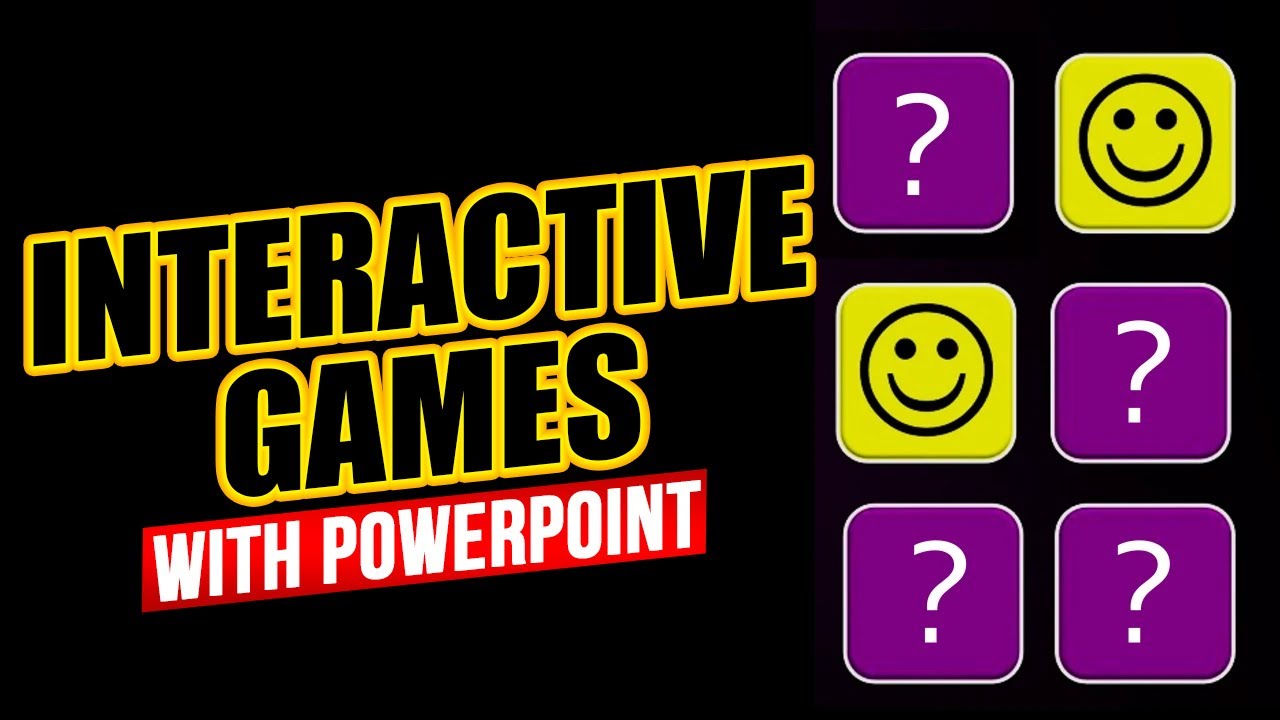
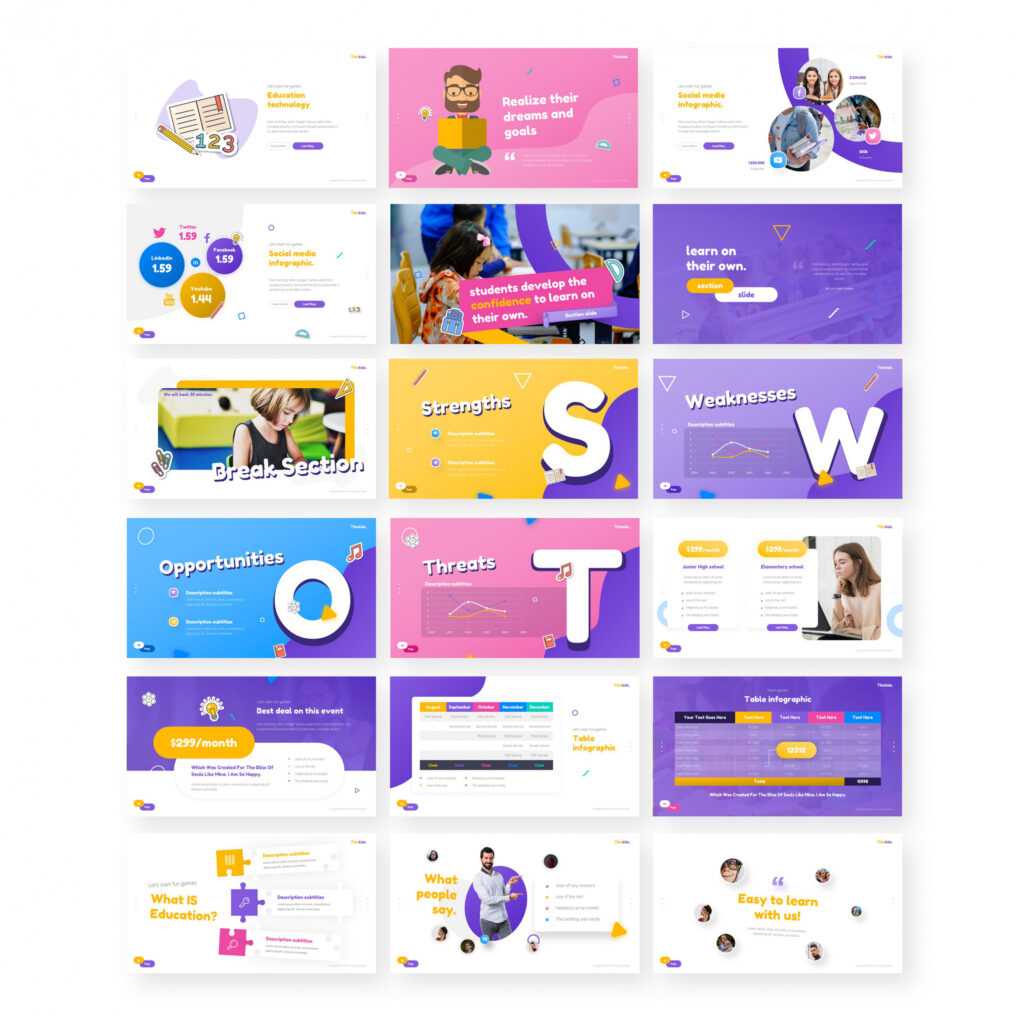
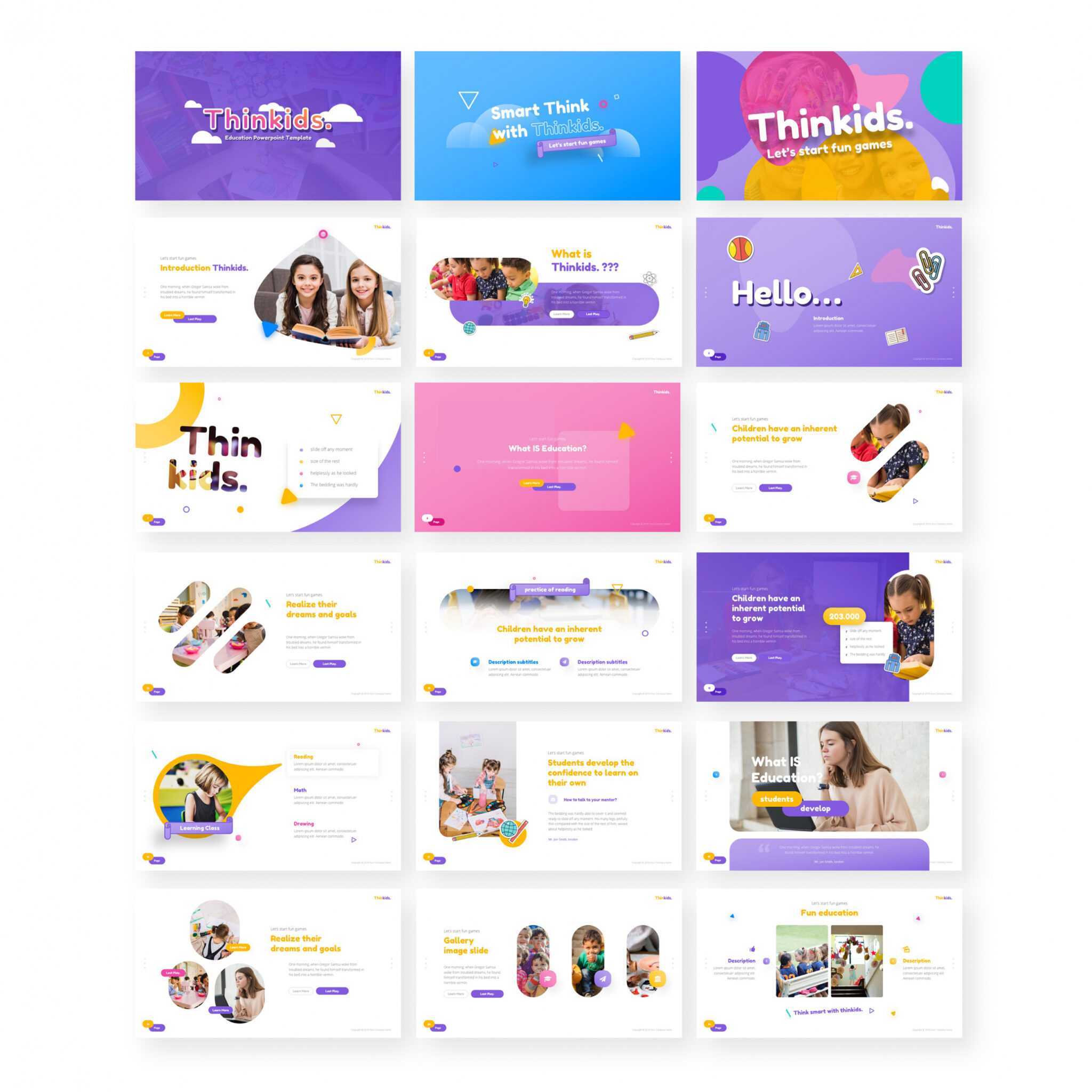
The incorporation of interactive and engaging learning tools into the classroom has dramatically shifted the landscape of education. Gone are the days of solely relying on traditional textbooks and lectures. Today, educators are increasingly turning to dynamic, visually appealing resources – specifically, PowerPoint template games – to capture student attention, foster collaboration, and enhance knowledge retention. These aren’t just simple slideshows; they’re carefully designed, educational experiences that leverage the power of presentation to deliver a truly memorable learning journey. Powerpoint Template Games For Education represents a significant evolution in instructional design, offering a cost-effective and adaptable way to inject fun and interactivity into lessons across various subjects and grade levels. This article will explore the benefits, diverse types, and practical considerations for utilizing these games to create a more stimulating and effective learning environment.
The rise of PowerPoint template games is driven by several key factors. Firstly, they’re remarkably easy to create – many platforms offer user-friendly drag-and-drop interfaces, requiring minimal design skills. Secondly, they’re incredibly versatile, adaptable to a wide range of subjects and age groups. They can be tailored to specific learning objectives, incorporating elements like quizzes, challenges, and collaborative activities. Finally, the visual nature of these games appeals to a generation accustomed to digital media, increasing engagement and motivation. The potential for personalization and differentiation is also a significant advantage, allowing educators to cater to individual student needs and learning styles. The shift towards blended learning and personalized education has undeniably fueled the demand for these types of tools.
Introduction
The traditional approach to education often focuses on delivering information in a passive manner. Students are often presented with facts and figures without actively engaging with the material. However, incorporating interactive elements – and PowerPoint template games are a fantastic way to achieve this – can dramatically transform the learning experience. The core idea is to leverage the visual and engaging nature of PowerPoint to create a playful and stimulating environment that encourages active participation. This isn’t about replacing traditional teaching methods; rather, it’s about augmenting them with a dynamic and enjoyable supplement. The effectiveness of these games hinges on their ability to capture and maintain student attention, fostering a deeper understanding of the subject matter. This article will delve into the various types of PowerPoint template games available, explore their benefits for educators and students, and offer practical tips for implementation. We’ll also touch upon the importance of thoughtful design and assessment to ensure these games truly contribute to educational success.

Types of PowerPoint Template Games for Education
There’s a remarkable diversity of PowerPoint template games available, catering to a wide range of learning objectives and age groups. Let’s explore some of the most popular and effective options:
1. Quiz Games
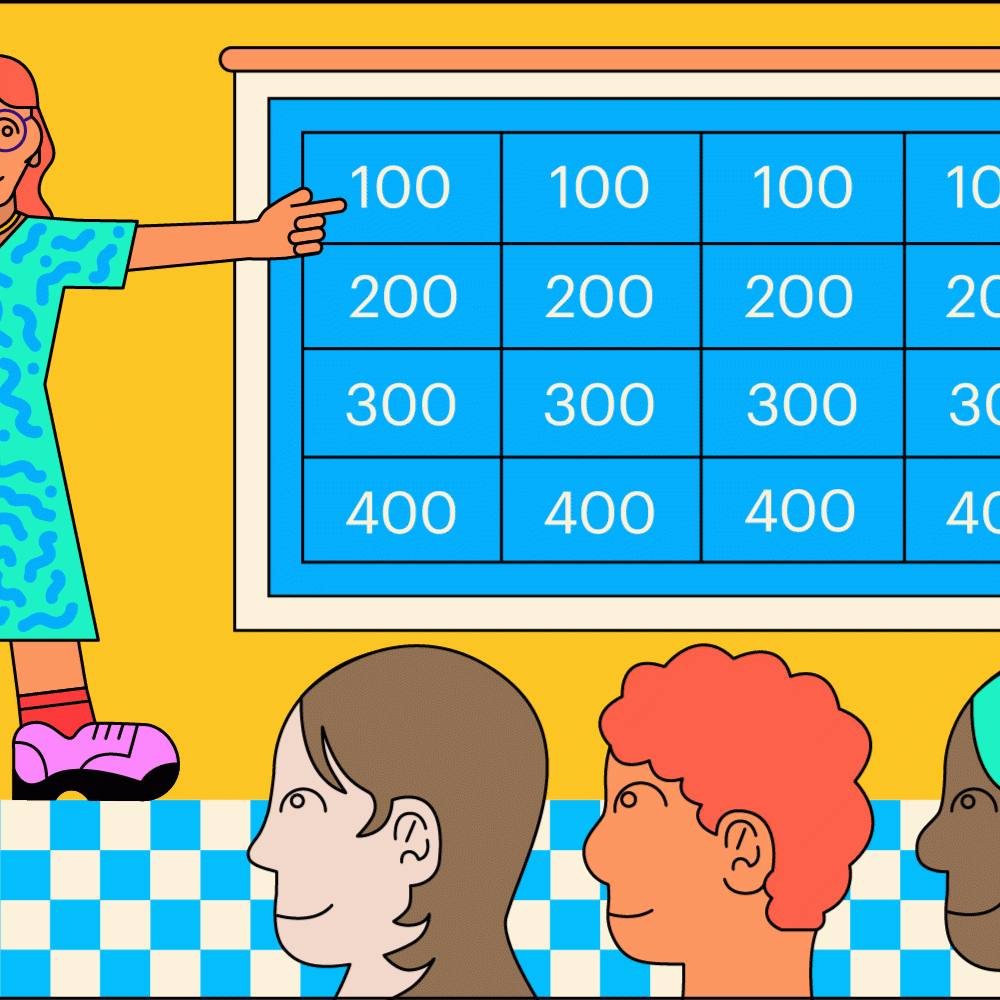
Quiz games are perhaps the most widely used type of PowerPoint template. They typically involve students answering questions related to the lesson content, with the correct answers earning points. Variations include multiple-choice, true/false, and fill-in-the-blank questions. These games are excellent for reinforcing factual knowledge and assessing comprehension. A key element is ensuring the questions are appropriately challenging, requiring students to demonstrate a deeper understanding rather than simply recalling information. Platforms like Canva and Slidebean offer pre-built quiz templates that can be easily customized. The use of visual cues, such as images or animations, can further enhance engagement.

2. Escape Rooms
Escape room-style games are becoming increasingly popular, particularly in subjects like history and geography. Students are presented with a series of puzzles and challenges that they must solve collaboratively to “escape” a virtual room. These games often require students to research information, analyze data, and apply critical thinking skills. The PowerPoint template provides a visually appealing backdrop for the escape room, enhancing the immersive experience. Many platforms allow for the creation of branching narratives, where the difficulty and complexity of the puzzles increase as students progress.
3. Role-Playing Games (RPGs)
RPGs offer a more immersive and creative approach to learning. Students take on the roles of historical figures, characters from literature, or even animals, and must make decisions and navigate scenarios within a simulated environment. PowerPoint templates can be used to create detailed character profiles, historical settings, and interactive storylines. This type of game encourages collaboration, communication, and problem-solving skills. For example, a history lesson on the American Revolution could be brought to life through a role-playing scenario where students embody different historical figures and make decisions that influenced the outcome of the war.

4. Data Visualization Games
For subjects like science and mathematics, PowerPoint template games can be used to present complex data in an engaging and understandable way. Students can be tasked with creating charts, graphs, and infographics to represent data, and then analyze the results. This encourages critical thinking and data literacy. Platforms like Google Sheets and Excel can be integrated with PowerPoint templates to create interactive data visualizations. The focus is on transforming raw data into visually compelling representations that facilitate understanding.

5. Creative Challenges
These games encourage students to apply their knowledge in creative ways. For instance, a science lesson on ecosystems could involve students designing a virtual ecosystem, including plants, animals, and environmental factors. A language arts lesson on poetry could involve students creating their own poems based on a given theme. The PowerPoint template provides a blank canvas for students to express their creativity and demonstrate their understanding.

Benefits of Using PowerPoint Template Games for Education
The implementation of PowerPoint template games offers a multitude of benefits for both educators and students.

- Increased Engagement: The interactive and visually appealing nature of these games significantly boosts student engagement, leading to increased motivation and participation.
- Enhanced Knowledge Retention: Active learning through game-based activities promotes deeper understanding and better retention of information.
- Development of Critical Thinking Skills: Many games require students to analyze information, solve problems, and make decisions, fostering critical thinking skills.
- Collaboration and Communication: Many games encourage collaboration and communication among students, promoting teamwork and social skills.
- Personalized Learning: The ability to customize games to specific learning objectives allows for a more personalized learning experience.
- Cost-Effectiveness: PowerPoint template games are generally more affordable than traditional instructional materials, making them accessible to a wider range of schools and districts.
Considerations for Implementation
While the benefits are clear, successful implementation of PowerPoint template games requires careful consideration.
- Clear Learning Objectives: It’s crucial to define clear learning objectives before selecting a game. The game should directly support the curriculum goals.
- Appropriate Difficulty: The game should be challenging enough to engage students but not so difficult that it frustrates them.
- Student-Friendly Design: The game should be easy to understand and navigate, with clear instructions and intuitive controls.
- Assessment: Develop a method for assessing student performance, whether it’s through quizzes, challenges, or collaborative activities.
- Technology Access: Ensure all students have access to the necessary technology (computers, tablets, internet access) to participate.
- Teacher Training: Provide teachers with adequate training on how to effectively utilize these games.
Conclusion
Powerpoint template games represent a powerful and increasingly popular tool for transforming the learning experience. By leveraging the engaging nature of presentation, these games offer a dynamic and interactive way to reinforce concepts, foster collaboration, and enhance student motivation. From simple quiz games to complex escape rooms, the possibilities are vast. As educators continue to embrace innovative instructional strategies, PowerPoint template games will undoubtedly play an increasingly important role in creating a more stimulating and effective learning environment. The future of education is undoubtedly interactive, and these games are a key component of that future. The continued evolution of these tools will undoubtedly lead to even more creative and impactful learning experiences for students of all ages.
0 Response to "Powerpoint Template Games For Education"
Posting Komentar